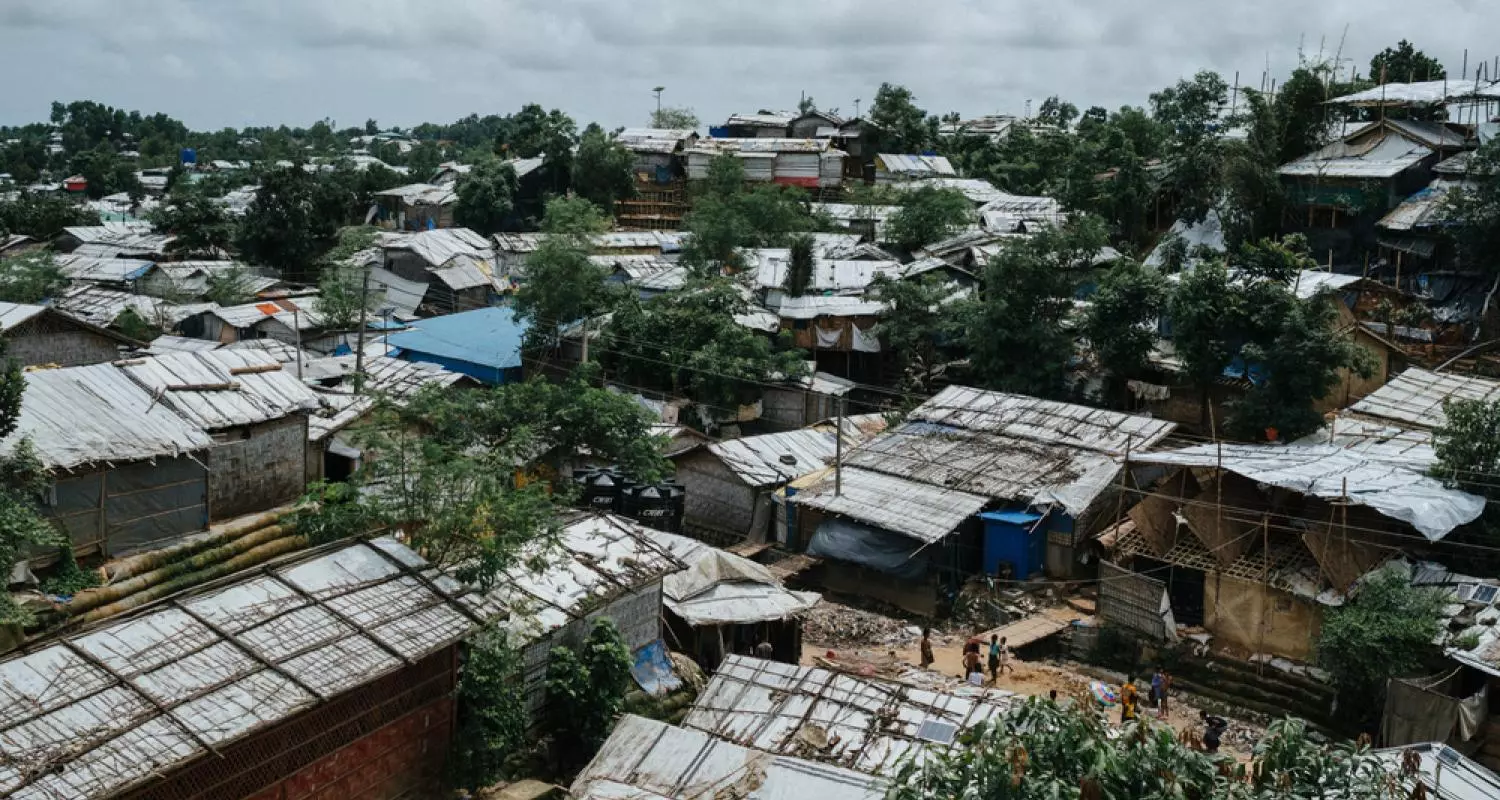
The Rohingya, as a people, remain trapped in exile.
In Bangladesh alone, more than 1.1 million Rohingya refugees live in the sprawling camps of Cox’s Bazar — one of the largest refugee settlements in the world. Here, they are confined without legal status, barred from working, and heavily dependent on shrinking humanitarian aid. For those who have fled more recently, the situation is even more dire: over 150,000 new arrivals since 2024 struggle to secure registration, shelter, food, and access to healthcare.
Daily life in the camps is marked by fear and uncertainty. 58 percent of refugees say they do not feel safe, citing threats of violence, extortion, and abduction by armed groups. Women and girls face heightened risks of sexual violence and forced marriage, while deteriorating conditions and aid cuts leave families in overcrowded shelters with limited education and medical care.
Despite international discussions centring on repatriation, 84 per cent of Rohingya refugees say they would not feel safe returning to Myanmar. They point to escalating violence, entrenched discrimination, and the absence of citizenship rights. For many, safe return is unimaginable under current conditions; others express hope for resettlement elsewhere, especially for the sake of their children’s future.
At present, there are no credible solutions on the horizon. Instead, refugees endure protracted displacement, worsening insecurity, and a humanitarian response stretched to breaking point. The voices of the Rohingya are clear: they demand safety, dignity, and recognition of their rights. It is now up to the international community to act on these demands.
Read the latest report on Rohingya refugee crisis
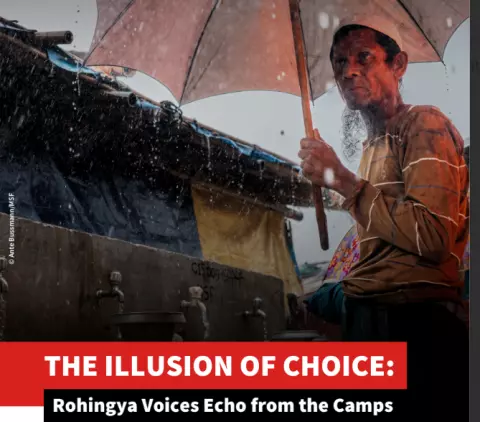
Read this report on the Rohingya Refugee Crisis. It is a compilation of what was learned through a consultation process carried out from August to September 2025, reflecting the voices and experiences of refugees in the camps of Cox’s Bazar.
Support our work
With your help, we can continue providing the support they and other vulnerable people caught in crises need.