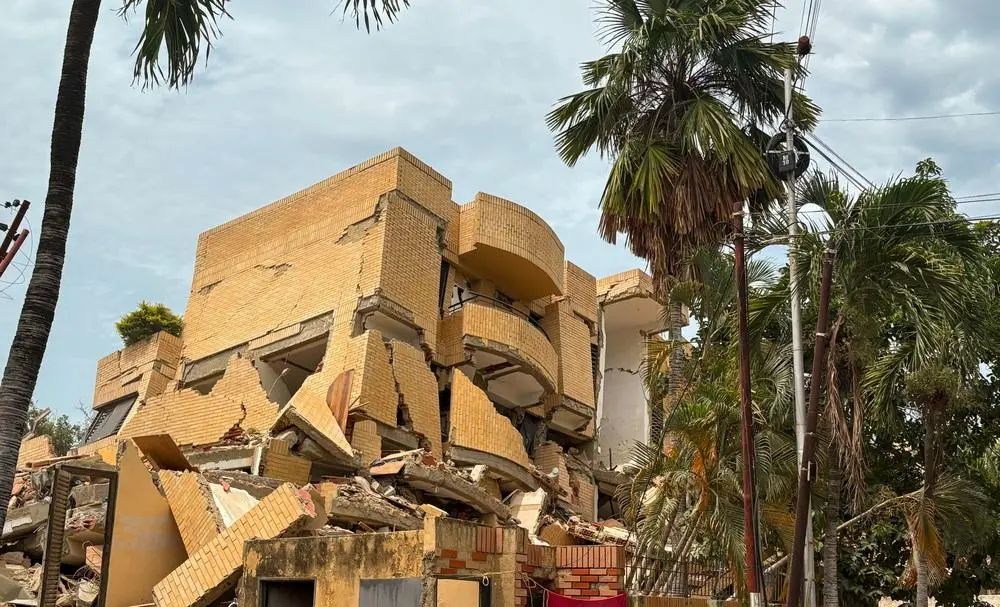
A view of damage in La Guaira after two earthquakes struck Venezuela on 24 June. Doctors Without Borders teams have donated trauma kits to hospitals in the days since. Venezuela, June 2026 © Mariana Zupo/MSF
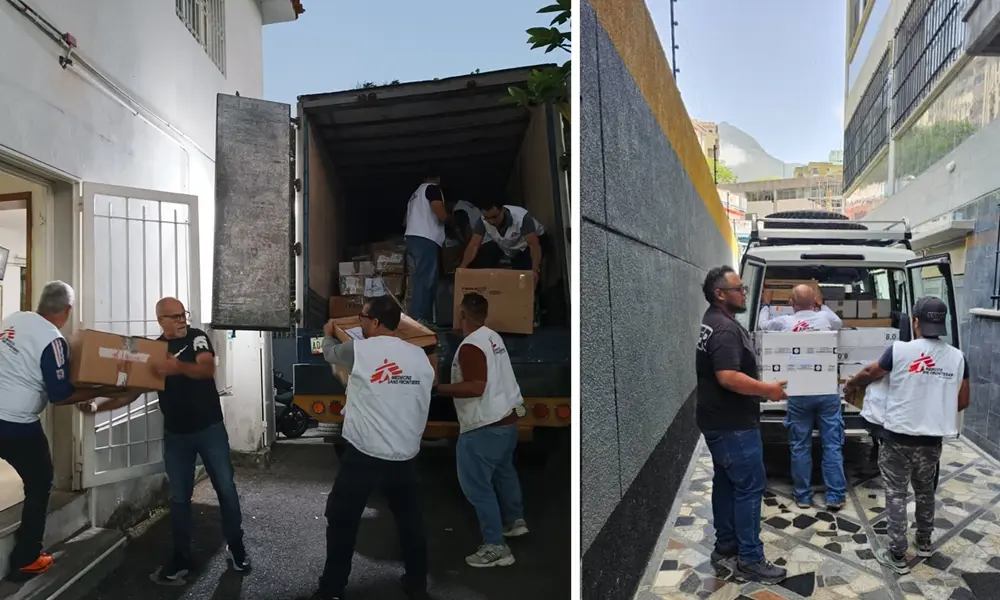
Doctors Without Borders teams loading medical supplies and trauma kits that include dressings, antibiotics, and analgesics which are the most needed for wounded people in the hospitals. Venezuela, June 2026 © MSF
How is Doctors Without Borders responding in Venezuela?
Doctors Without Borders teams are preparing and distributing emergency trauma kits to hospitals in Caracas and La Guaira. As of June 29, eight hospitals have received medical supplies covering the treatment needs of about 3,500 patients. As one of the only international aid organisations present during the first hours following the disaster, Doctors Without Borders was able to fill critical supply gaps when hospitals had exhausted their emergency stocks. The kits, which we continue to donate, are made to prevent rapid blood loss from traumatic injuries.
Now that the initial trauma phase is coming to an end, we are turning our focus to the informal displacement sites that people are staying in. In Caracas, more than 1,500 buildings — mostly residential — have reportedly been damaged. Thousands of people have been displaced and are living in informal settlements, including in parks and stadiums. We are planning to offer medical humanitarian support via mobile clinics and to provide mental health care.
Will you support our emergency response work?
Help us provide lifesaving medical care during emergencies by making a donation today.