MSF statement on reported Rohingya boat tragedy in the Bay of Bengal
© iAko M. Randrianarivelo/Mira Photo
MSF has learned that a boat carrying an estimated 260 Rohingya people — including men, women, and children — reportedly capsized in the Bay of Bengal on 29 June 2026 while en route to Malaysia. No survivors have been reported so far. The bodies of approximately 10 Rohingya people, believed to have been passengers on the same boat, were reportedly found along the coastline of northern Rakhine State.
The delayed and limited information available about incidents like this — involving the deaths of hundreds of Rohingya people attempting to reach safety — is, sadly, not unusual, but a predictable recurrence in the highly restrictive environment of Rakhine State.
This latest tragedy bears the same horrifying hallmarks as the one before it. On 9 April, a Malaysia-bound trawler carrying an estimated 250 to 280 passengers — including Rohingya refugees and Bangladeshi nationals — sank in the Andaman Sea due to rough weather and overcrowding. Only nine people survived, found clinging to drums and pieces of wood. Later that month, MSF teams in Malaysia provided support to survivors of another boat.
Surviving journeys like these is extraordinarily difficult. Some patients in Malaysia who have survived this route describe overcrowded boats that are ill-equipped to withstand harsh weather conditions, as well as violence endured along the journey, including sexual violence at the hands of smugglers and traffickers.
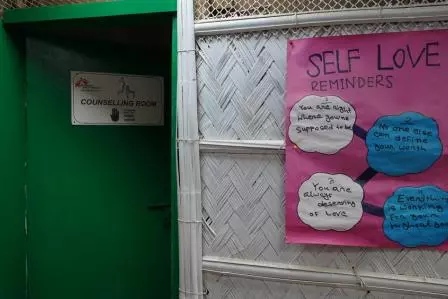
The trauma experienced by Rohingya people — whether resulting from violent persecution in Rakhine State, the harsh daily conditions in the now landslide and flood-affected camps in Cox’s Bazar, or the dangerous journeys to Malaysia — is reflected in the growing number of patients requiring psychiatric care. Between June and November last year, MSF's clinic in Penang recorded a 20 percent increase in patients seeking this type of mental health support.
According to UNHCR, 2025 was the deadliest year on record for people undertaking crossings in the Andaman Sea, with approximately 900 people reported dead or missing at sea.
At our clinic in Penang, on the northwest coast of Peninsular Malaysia, we are also witnessing a sharp increase in the number of newly arrived patients, many of whom have made this deadly journey. The number has nearly tripled, rising from 212 people in 2023 to 620 people in 2025. These figures are limited by MSF’s capacity to receive patients and proximity of refugees to MSF’s clinic, and as such, it is likely a grave underrepresentation of all newly arrived Rohingya refugees in need of care.
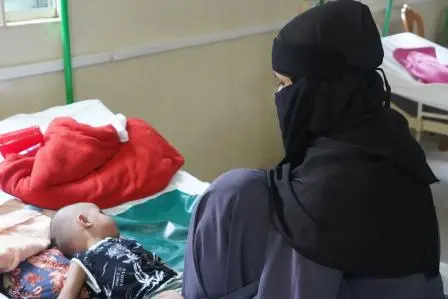
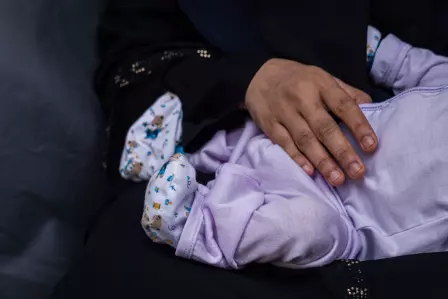
While no survivors of this latest incident are reported and whose voices can be shared, we want to highlight the story of Aisya*, a Rohingya mother and mental health patient at MSF's clinic in Penang, who recounted her experience from a journey three years ago. Her testimony remains hauntingly similar to the accounts we continue to hear today and illustrates the extreme risks Rohingya people are forced to take year after year in search of safety:
“Even if you moved a little bit, they would throw you into the sea. So most of the passengers hid under the deck of the boat. After a few days, people became very weak, and some got sick. A woman who was suffering a reaction from a dog bite was thrown into the sea because the smugglers could not manage her. Many young adults were also thrown overboard following arguments.”Aisya*, a Rohingya mother
Sea crossings represent only one part of this humanitarian and protection crisis. Many Rohingya people also travel overland through dangerous and exploitative smuggling and trafficking routes, where they face risks including physical violence, sexual abuse, exploitation, and other forms of harm.
At the same time, UNHCR has reported that close to 150,000 Rohingya refugees were newly registered in Bangladesh between December 2024 and 31 March 2026, reflecting the continued conflict and insecurity in Rakhine State that is forcing people to flee their homes.
MSF extends its deepest condolences to the families and loved ones of those who lost their lives in this latest tragedy while seeking safety and protection.
This tragedy underscores, once again, the deadly consequences of the continued persecution, violence, and denial of basic rights faced by Rohingya people. MSF reiterates its call for safe and dignified pathways to protection for people fleeing violence and persecution, alongside urgent action to address the conditions that continue to force Rohingya people to risk their lives at sea.
*name changed