Last year, Singapore health authorities reported a 70% drop in dengue cases, from 13,651 cases in 2024—just a year after the global caseload surged to record levels worldwide in 2023. Singapore's success is not accidental. Sustained investment in prevention, including the Wolbachia Programme, alongside an advanced dengue surveillance system and strong community engagement can push back dengue with long-term commitment and public trust. The country has also built a research ecosystem that spans public agencies, universities, and international partners, making it a hub for climate-sensitive disease innovation.
Climate change expands the geographic spread of Aedes aegypti and Aedes albopictus mosquitoes, which carry dengue and other co-circulating arboviruses, exposing more than half of the planet’s population to increased risk of infection. Hotter, more humid environments create ideal conditions for breeding and transmission – especially in contexts of rapid urbanisation, where increased mobility, dense living conditions, poor waste management and limited access to safe water intersect.
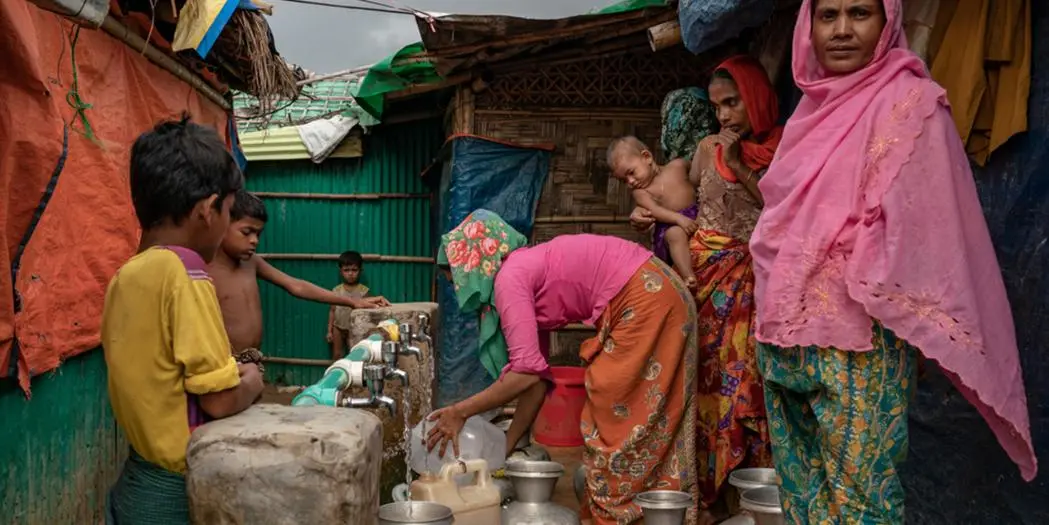
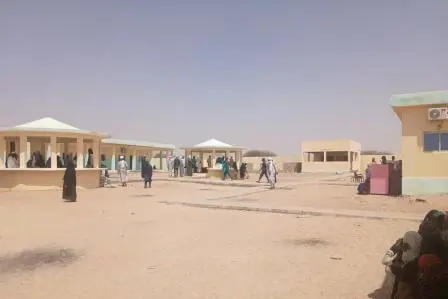
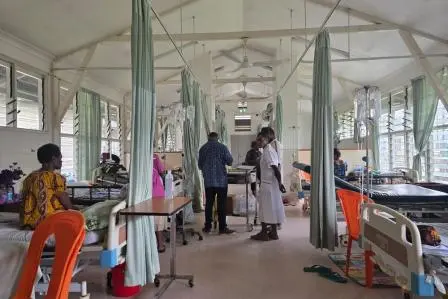
Today half of the planet’s population live in areas with increased risk of dengue transmission. Dengue is now a year-round risk in many places like Bangladesh where Médecins Sans Frontières/Doctors Without Borders (MSF) colleagues have been providing medical care in refugee camps and now mount a dengue response in crowded urban settings.
What Singapore has achieved domestically is increasingly what the region needs—but an important question remains: who are today’s dengue innovations designed to protect? Too often, the most vulnerable continue to be left at the margins. Pregnant women are one such group.
At any given time globally, approximately 4–5% of women of reproductive age are pregnant, with higher proportions in some low- and middle-income settings. Dengue infection during pregnancy fundamentally alters clinical risk, especially in humanitarian contexts where delayed diagnosis, limited access to monitoring, and referral pathways. Physiological changes of pregnancy (oedema, nausea, hypotension) can mask or mimic dengue warning signs, delaying diagnosis at precisely when speed matters most.
Pregnant women face a higher risk of severe dengue, Dengue Shock Syndrome and evidence also shows links with stillbirth, miscarriage, neonatal death, preterm delivery, and low birth weight. Yet clinical vaccine trials largely exclude pregnant women, leaving one of the most vulnerable groups without protection despite their elevated risk.
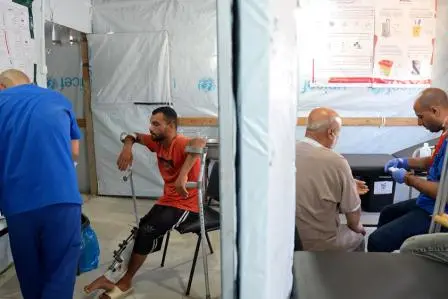
In humanitarian settings dengue in pregnancy creates a high risk clinical environment. Healthcare workers must make urgent decisions with limited reliable diagnostic tools and dengue’s own complexity compounds their uncertainty. With four dengue virus serotypes co-circulating alongside other Aedes mosquito borne viruses like Zika and chikungunya complicates diagnosis, surveillance, prevention, and clinical management. This means no single vaccine, single diagnostic tool, single therapeutic intervention, or single vector-control measure can address the challenge alone. An integrated multidisciplinary approach is essential from the outset.
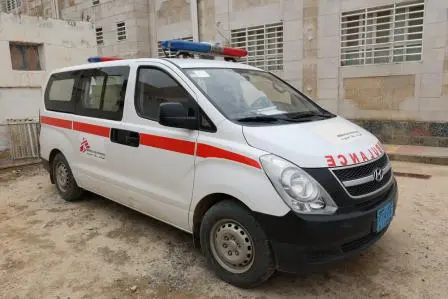
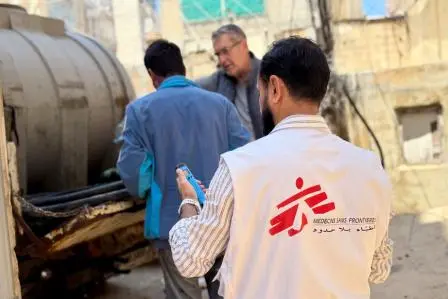
These are not theoretical challenges. My MSF colleagues confront them daily on the frontlines of need among communities in Bangladesh and Honduras where dengue is persistent and health systems stretched. MSF delivers direct care and also generates real-world evidence in these constrained settings burdened with dengue because conventional research does not reach here.
In Chattogram, Bangladesh we are documenting what a comprehensive dengue response (vector control, surveillance strengthening, capacity building, local network engagement) looks like in a high-density urban environment: not a controlled pilot, but real world work in constrained conditions where dengue is no longer seasonal.
In El Manchén, Honduras, our Wolbachia vector-control programme has shown that dengue reduction is achievable even in a high-violence, resource-limited setting, when community engagement is genuine and sustained. The parallels and contrast with Singapore's own experience are instructive: success depends more than just tools – but on who they are built to serve.
My MSF colleagues and I are sharing fresh frontline insights at the Asia Dengue Summit in Singapore this week to expand practical knowledge and to help inform dengue response design globally with peers because there is no single fix for dengue. We need diagnostics, vaccines, and treatment strategies designed for patients and clinicians in displacement camps, dense urban settlements, and conflict affected areas.
Closer collaboration between biomedical researchers, public health implementers and medical humanitarian field teams, particularly here in Singapore can help bridge the gap between innovation and real-world use. By embedding patient centred design, inclusion of vulnerable groups, and field ready implementation into research and development from the start, Singapore’s ecosystem can help ensure that innovation translates into protection where dengue risk is highest and response capacity lowest.
Institutions such as the Environmental Health Institute and Duke NUS Medical School already contribute to advances in diagnostics, surveillance, vaccines, and clinical management through their close links to public health implementation. This is where we see real opportunity to partner for change.
Investing in dengue tools that work in low-resource settings isn't just a humanitarian proposition, it is one that is much needed across the region.
As dengue’s reach continues to widen, the opportunity is clear: to align technical excellence with equity, and innovation with impact. Singapore has the leadership, credibility, and capacity to help shape that future—not only for Asia, but for communities worldwide living on the frontlines of dengue.