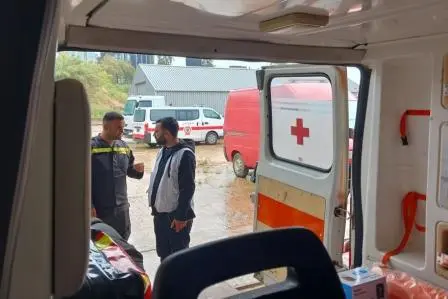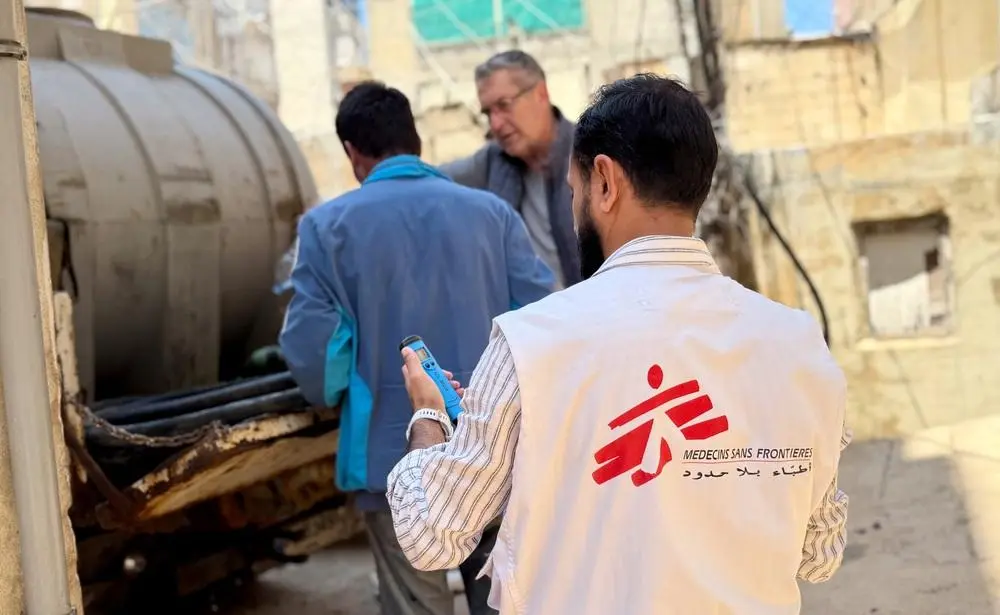
A Doctors Without Borders Water and Sanitation (WATSAN) team leader checks water quality as part of water trucking operations in Dahiyeh where 50,000 liters are delivered daily. Lebanon, 2026 © Kristen Poels/MSF
The situation in Dahiyeh illustrates the urgent need to address both immediate humanitarian needs and the longer-term consequences of the escalation in Lebanon.Guilherme Bothelo, Doctors Without Borders Coordinator for Beirut Emergency Project
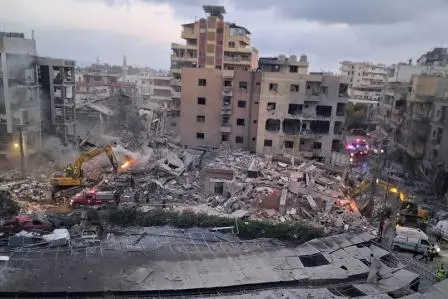
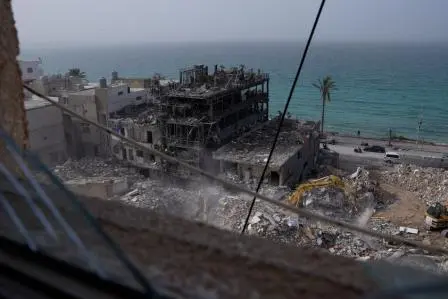
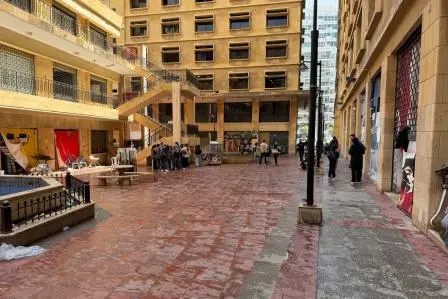
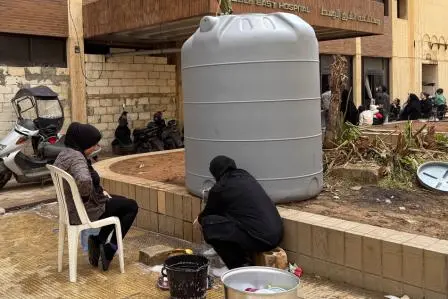
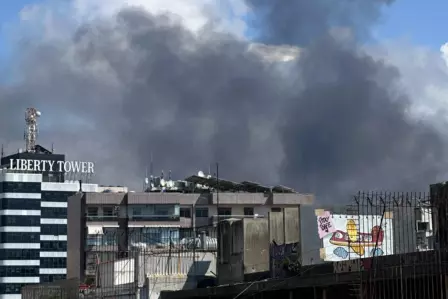
Once a vibrant urban area, Dahiyeh is now bearing the lasting impacts of repeated Israeli attacks across multiple levels. The destruction has severely impacted roads, public services, and water infrastructure, leaving thousands of residents without reliable access to essential services and exposing communities to increasing health risks. Since the beginning of the conflict, most healthcare facilities in the area have been affected: primary healthcare centres and hospitals have lost their staff to displacement, been damaged, or shut down due to serious security risks, further restricting people’s access to care.
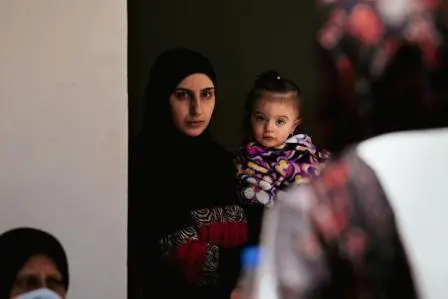
Jamila, a displaced 50-year-old mother, spent two months living in tents just outside of Dahiyeh with no income and no support, with her 14-year-old son Wissam, who has speech impairment.
“No one cares about me," she says. “I went for days without food or water. I could not even bathe."
Her situation is far from exceptional: across Dahiyeh, thousands of displaced families face the loss of their homes and severed support systems that make recovery feel out of reach.
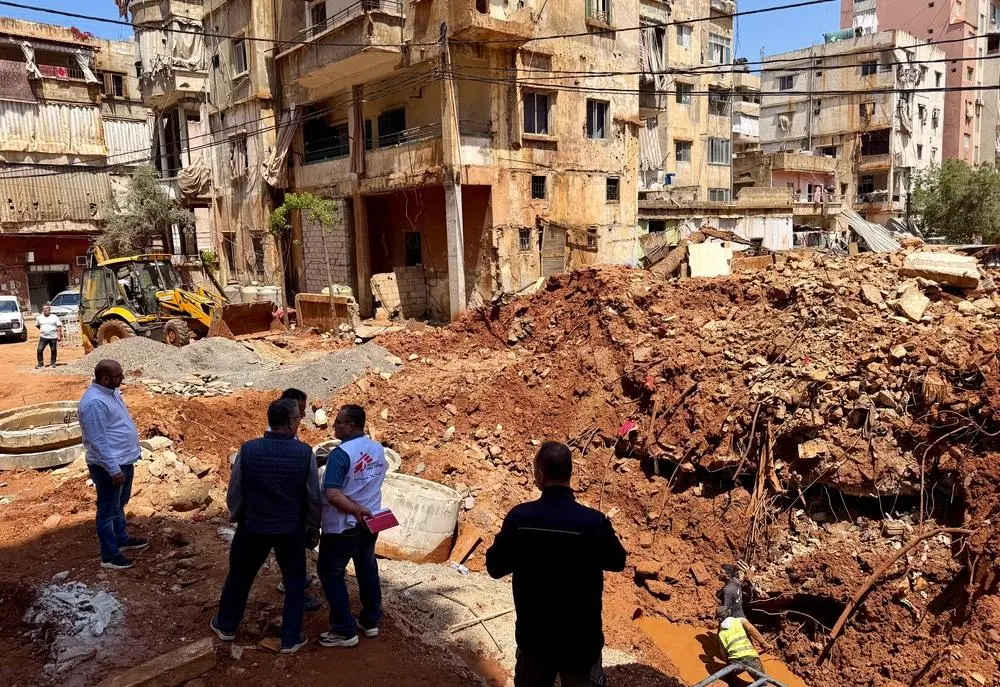
In collaboration with Doctors Without Borders, municipal workers are carrying out intensive repairs to sewage pipes in Burj El Barajneh after water infrastructure was damaged by an Israeli strike in March 2026. Lebanon, 2026 © Kristen Poels/MSF
Doctors Without Borders' response
In response, Doctors Without Borders has scaled up its emergency intervention in March, deploying 9 mobile clinics to deliver medical care directly to communities who can no longer access health facilities. These mobile units provide a range of essential services, including medical consultations for mental health support, acute and chronic conditions, sexual and reproductive health and vaccination. Over the past six weeks, Doctors Without Borders teams have conducted more than 2 730 medical consultations.
Unfortunately, half of our mobile clinics had to be put on hold due to security concerns and new population movements outside Dahiyeh; they will resume as soon as conditions permit.
In parallel, Doctors Without Borders is supporting the rehabilitation of 6 primary healthcare centres (PHCCs) damaged by Israeli strikes, while also distributing non-food items and hygiene kits to affected people. Doctors Without Borders is also implementing water, sanitation, and hygiene (WASH) activities in close coordination with the municipalities. These efforts aim to restore access to safe water and improve sanitation for more than 30,000 people. As a result, it reduces the immediate risks of disease outbreaks and improves living conditions more broadly.
“Vulnerable populations – including children, the elderly, and those with pre-existing medical conditions – are particularly at risk as essential services become harder to reach or cease functioning correctly”, says Guilherme Bothelo, Doctors Without Borders Coordinator for Beirut Emergency Project. “Doctors Without Borders' capacity to bring medical care closer to communities is essential, complementing existing services during periods of strain. At the same time, our aim is for this support to remain temporary, while local health authorities regain and sustain their ability to provide care independently.”
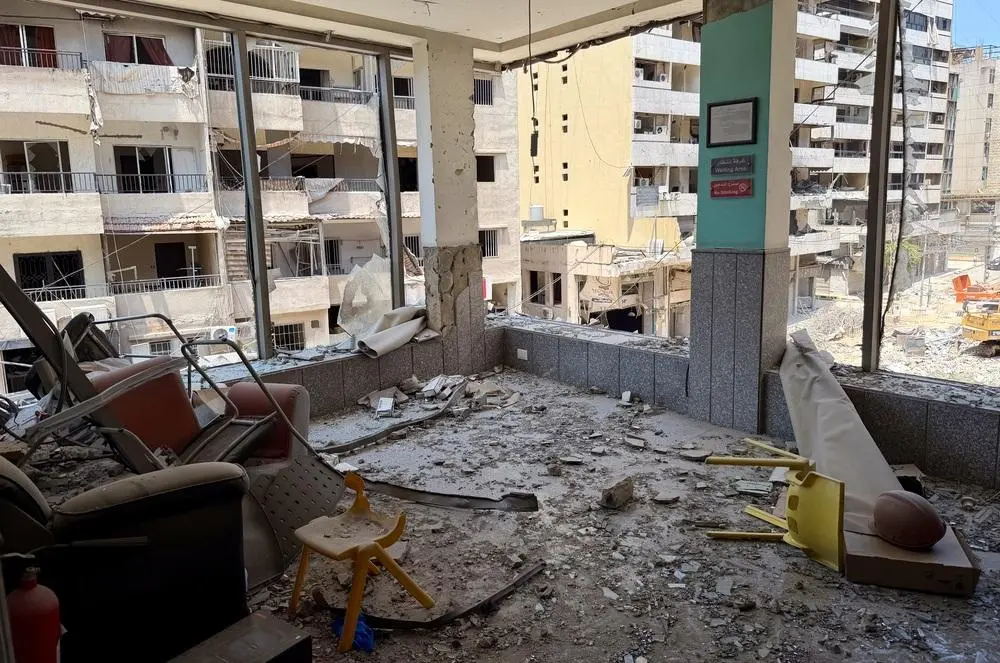
View of extensive damage inside the Haret Hreik Municipality Primary Health Care Center following an Israeli strike in March 2026. Lebanon, 2026 © Kristen Poels/MSF
Barriers to safe return
Since March, many families across the country have been forced to flee their homes multiple times, while others remain in precarious conditions. As Israeli army forced displacement orders continue to trigger repeated population movements, serious concerns persist about whether residents can safely return to their place of origin. The widespread destruction of public services – particularly water systems, healthcare facilities, and essential infrastructure – poses major obstacles to recovery. Without reliable access to these services, returning home is neither viable nor safe for many families.
“The situation in Dahiyeh illustrates the urgent need to address both immediate humanitarian needs and the longer-term consequences of the escalation in Lebanon,” says Guilherme Bothelo.
“As Israeli strikes intensify significantly in the south of the country and in the Bekaa, we fear that such situations will multiply, forcing more people to leave their homes and further eroding the conditions for a dignified life across entire communities. This would place an even greater strain on an already weakened health system strained by successive crises.”
Will you support our emergency response work?
Help us provide lifesaving medical care during emergencies by making a donation today.