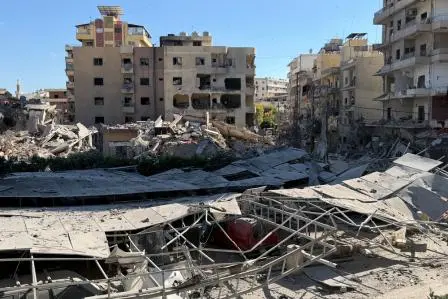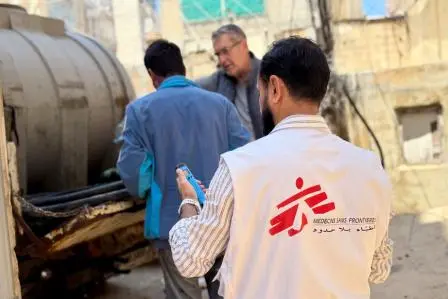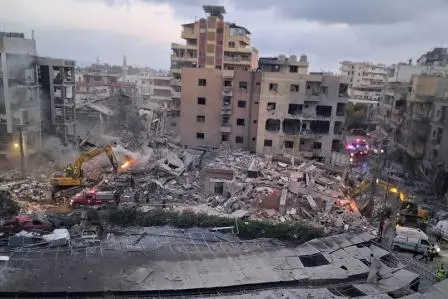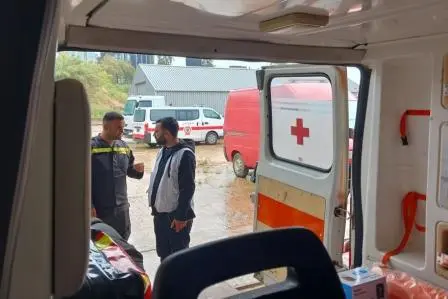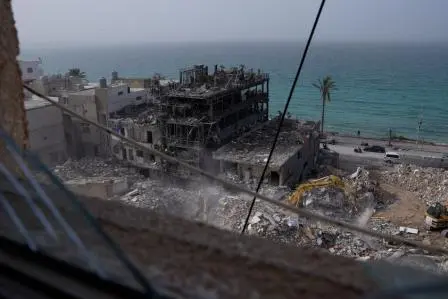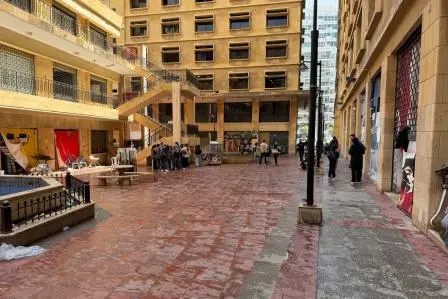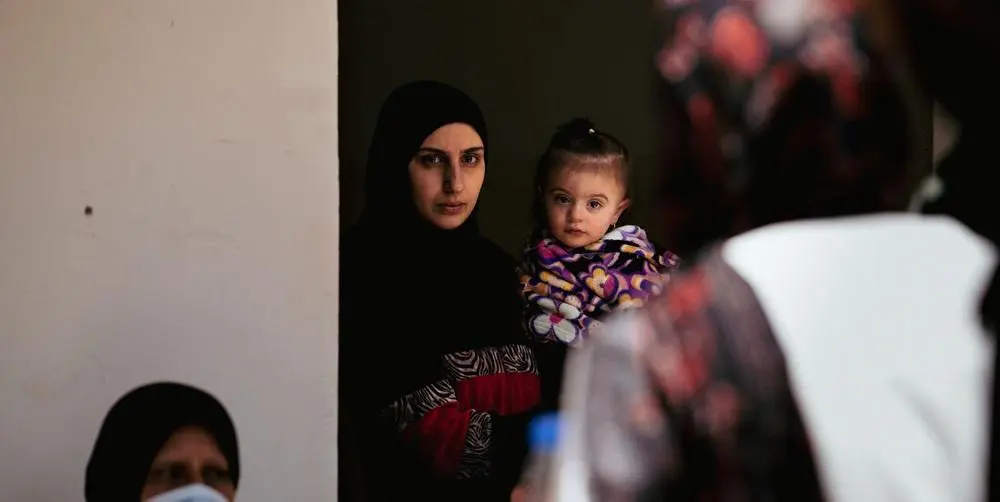
Families have returned to Jebshit, under the fragile temporary ceasefire, where a Doctors Without Borders mobile medical unit visits to provide general care, mental health support, and essential medications. Lebanon, April 2026 © Salam Kabboul/MSF
Two months into the escalation, the situation is becoming more complex, with patterns of violence and harm exacerbating over time. Without meaningful protection and uncompromised access to healthcare, displacement has neither brought safety nor safeguarded civilians.Jeremy Ristord, Head of Mission Lebanon
A few kilometres away, Doctors Without Borders teams are witnessing a similar situation in the two hospitals we support in the district of Nabatiyeh. Between 26 April and 3 May, these hospitals received 65 injured patients, including two patients who later died from their injuries, as well as 26 people who arrived dead.
Despite ongoing support, including increased capacity for emergency care and ambulance referrals, patients are still arriving late or in critical condition due to insecurity and long distances to reach care. In some cases, referrals between hospitals are challenging due to a lack of safety on the road. However, medical teams have no choice but to refer patients elsewhere due to shortages in essential medical items, such as blood bags, in their facilities. For instance, in Najdeh Al-Shaabiyeh hospital last week, two severely injured patients were meant to be transferred to another hospital because of the blood shortage but died during transfer.
Due to the high needs, medical teams in south Lebanon are forced to work up to 36 hours consecutively, at faster paces, and sometimes having to coordinate several surgical procedures on the same patient at the same time, due to overwhelming needs or the severity of injuries.
Doctors Without Borders is adapting our ways of working to continue providing support to the hospitals’ teams, who have been exhausted from more than two months of ongoing strikes and a ceasefire that failed to provide respite. Doctors Without Borders teams are taking overnight shifts in Qana hospital, in Sour/Tyre, and in Najdeh Al-Shaabiyeh hospital, in Nabatiyeh, to assist with providing continuous care while alleviating the stress and workload of resident doctors.
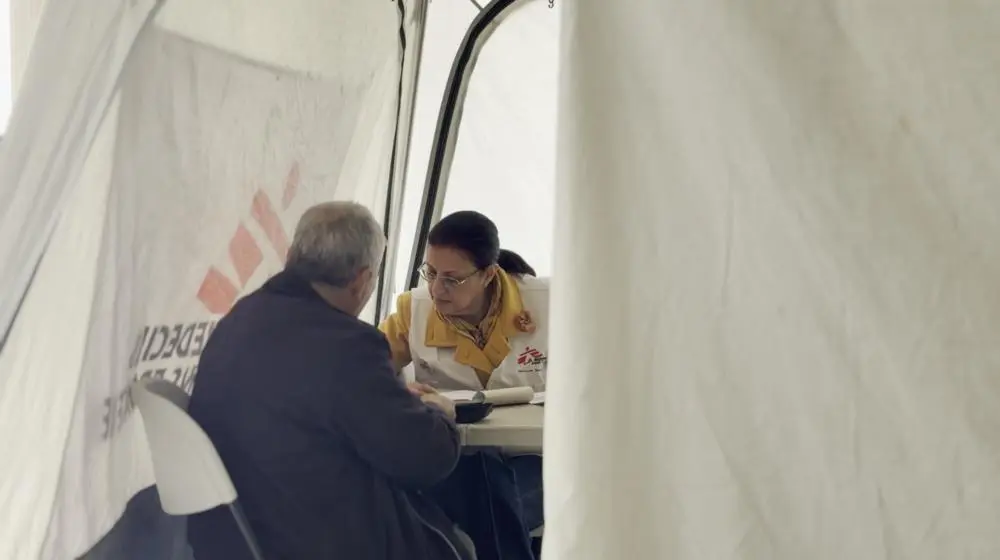
Doctors Without Borders mobilised to bring essential medical care closer to people displaced by the war. Our Mobile Medical Units travel to reach communities in need. Lebanon, April 2026 © Salam Kabboul/MSF
People’s mental health is worsening
“We don’t trust this ceasefire, it took all the hope that we had,” says Samia*, a displaced woman from the south who now resides in Barja, a town in the district of Chouf a few kilometres above the Litani River. She returned home as soon as the ceasefire was announced, only to find out that her house was severely damaged. “If I was not feeling well before the ceasefire, now I am 100 times worse.”
To respond to people’s mental health needs, our teams in Nabatiyeh and South governorates are increasing the number and frequency of mobile clinics, reaching more remote communities and families who have decided to go back following the ceasefire announcement, whose mental health situation is deteriorating.
"A Syrian refugee, who is a double amputee due to an airstrike a few weeks ago, woke up to the news that her 8-year-old son was killed in an airstrike, while her daughter had intestinal perforations due to shrapnel," says Dr Dinh. "How can we expect a mother to cope with this new reality?"
Many thought that this ceasefire, announced three weeks ago, would bring some relief to them and their families. The reality is different.
“Two months into the escalation, the situation is becoming more complex, with patterns of violence and harm exacerbating over time," says Jeremy Ristord, Doctors Without Borders head of mission in Lebanon. “Without meaningful protection and uncompromised access to healthcare, displacement has neither brought safety nor safeguarded civilians."
*Name changed to protect identity.
Notes:
In Qana, Jabal Amel, Nabatiyeh Governmental, and Najdeh Al-Shaabiyeh hospitals, Doctors Without Borders teams remain on stand-by to provide additional support to already-exhausted medical teams in case of mass casualty events. In Jabal Amel, we have sent a surgeon to support the operating theatre, and we are training first responders and providing them with additional resources and equipment in Nabatiyeh and Sour/Tyre.
According to the Lebanese Ministry of Health, 385 people were killed and another 685 were injured between the ceasefire’s announcement and 4 May.
Will you support our emergency response work?
Help us provide lifesaving medical care during emergencies by making a donation today.