Bombing of health facilities, patients being killed in their beds, this cannot be perceived as collateral damage in conflict zone. Hospitals must remain a safe place for patients to receive medical care.Paul Brockmann, Operations Manager
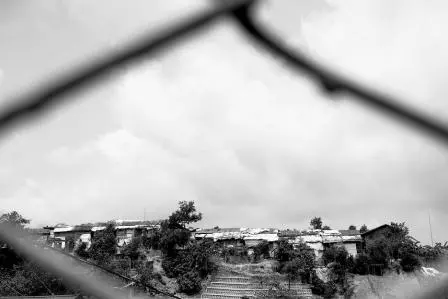
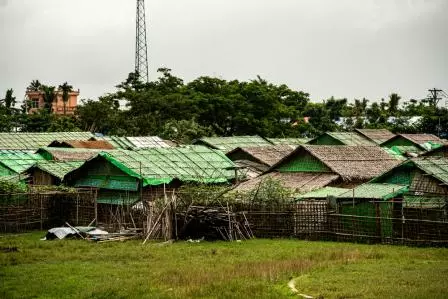
“In Rakhine, access to healthcare has already severely decreased in recent years due to the ongoing conflict. Numerous medical facilities have been damaged, and many health professionals have been forced to flee due to ongoing violence. The same pattern has been recorded across many areas of Myanmar – the country ranked fourth for attacks on healthcare in 2024.”
“As an international, neutral medical humanitarian organisation, we urgently call on all parties to the conflict to uphold the fundamental principles of international humanitarian law. Civilians and medical facilities must be protected without exception amidst the escalating violence,” adds Brockmann.
Doctors Without Borders in Rakhine
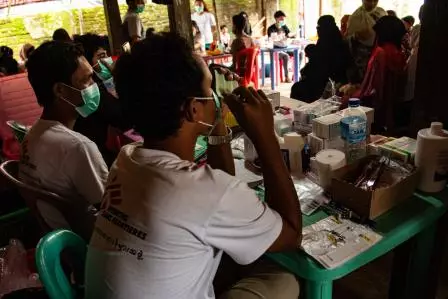
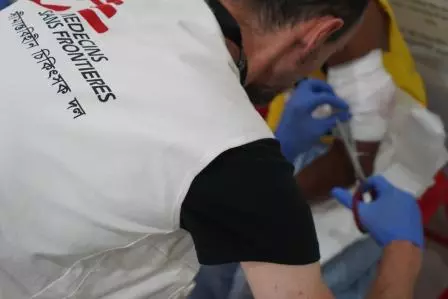
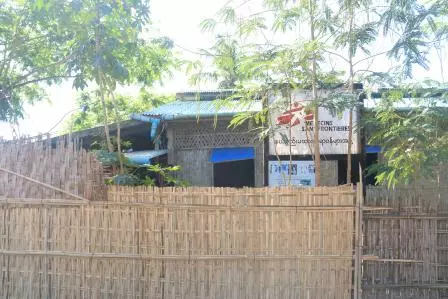
Doctors Without Borders started working in Rakhine in 1994 and started supporting the hospital in Mrauk-U in 2021, with a focus on primary healthcare, sexual and reproductive care, mental healthcare, emergency referrals and treatment for non-communicable diseases such as diabetes and hypertension. Doctors Without Borders was compelled to suspend presence across most of Rakhine in 2024 due to extreme escalation of the conflict, and currently has a limited presence primarily in Sittwe.
Will you support our emergency response work?
Help us provide lifesaving medical care during emergencies by making a donation today.