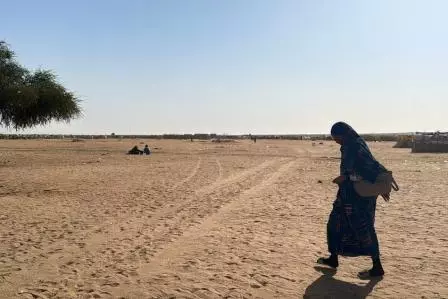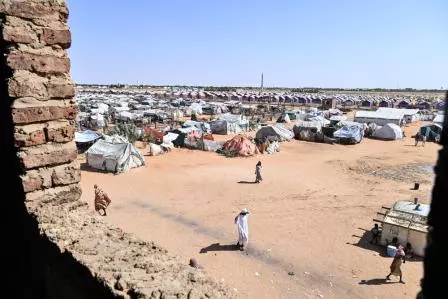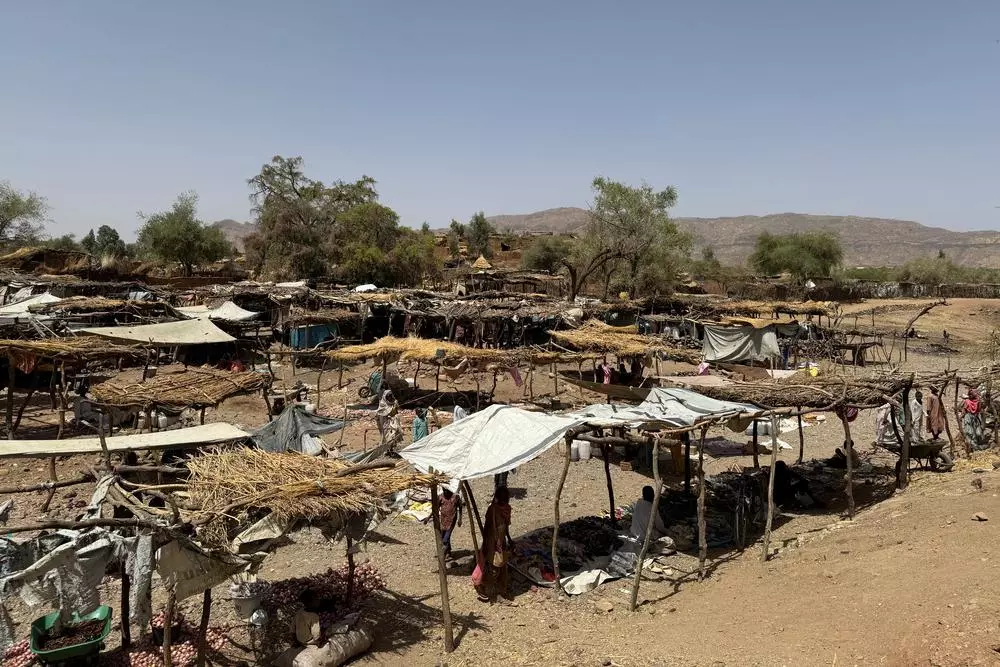
Sortoni market used to be the main food source for the inhabitants of the camp. Since the actual conflict broke out, difficulties of supply and recurrent shortages lead to an uncontrollable raise of prices. Added to the fact that no food distribution has been carried out for 2 years, it is the access to food for all the population of the camp that is hindered. Sudan, 2025 © Thibault Fendler/MSF.
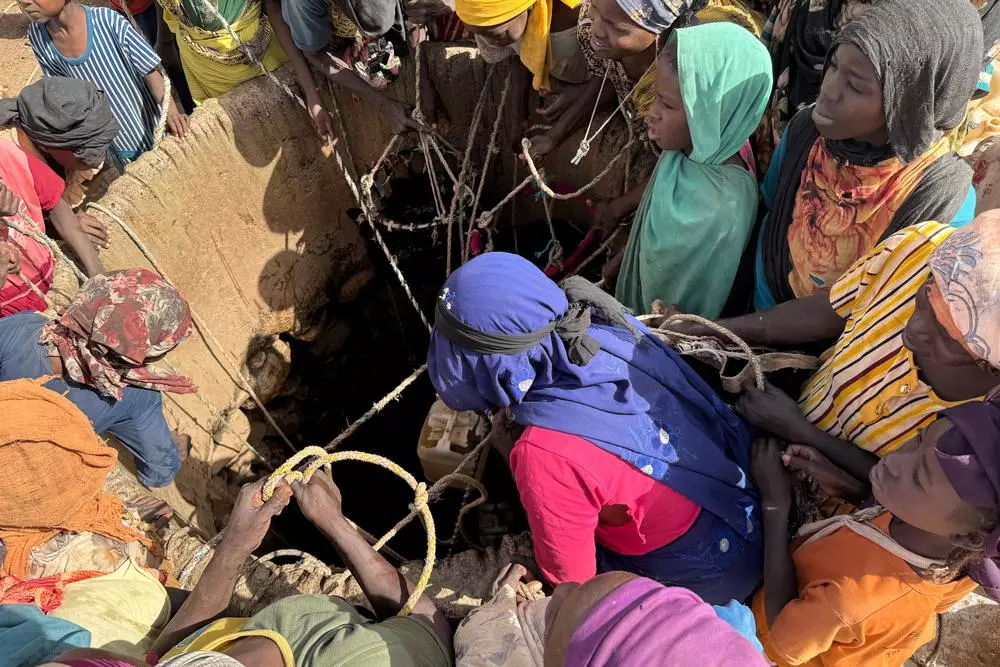
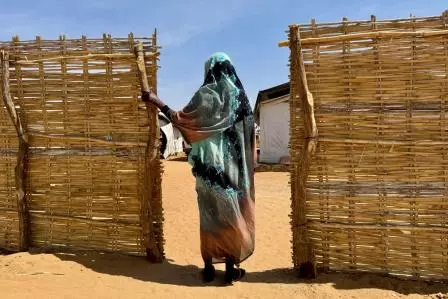
One of the two open sky well located on the outskirt of Sortoni, from which, the majority of the 55,000 people living in the camp obtain the water they consume. The water in it is considered as not-fully drinkable. But alternatives are almost non-existent. Sudan, 2025 © Thibault Fendler/MSF.
Sortoni, a village that was once a humanitarian hub for the region, now feels abandoned. It hosts a camp that was created after violence broke out in the area in 2016 and once housed 55,000 displaced people. Since the war, it has seen aid organizations withdraw, leaving behind empty buildings and dry taps. Doctors Without Borders remains the only international NGO working in Sortoni, providing basic healthcare and nutrition programs. However, the needs far exceed the available resources, with 612 children under five admitted for treatment of acute malnutrition since the start of 2025.
Access to healthcare remains one of the most urgent and challenging issues in conflict-affected regions across Darfur. Doctors Without Borders has been working to provide medical care to communities cut off by both geography and conflict throughout. In south Jebel Marra, despite the difficult terrain and ongoing insecurity, Doctors Without Borders teams have managed to carry out over 23,200 medical consultations and treat nearly 3,000 malaria patients in the first half of 2025 alone.
“Providing medical care in Jebel Marra goes beyond logistics,” says Resit Elcin, Doctors Without Borders Project Coordinator in Kass. “We cross mountains to support people who live in isolation and face difficulties accessing basic healthcare services after years of neglect and conflict.”
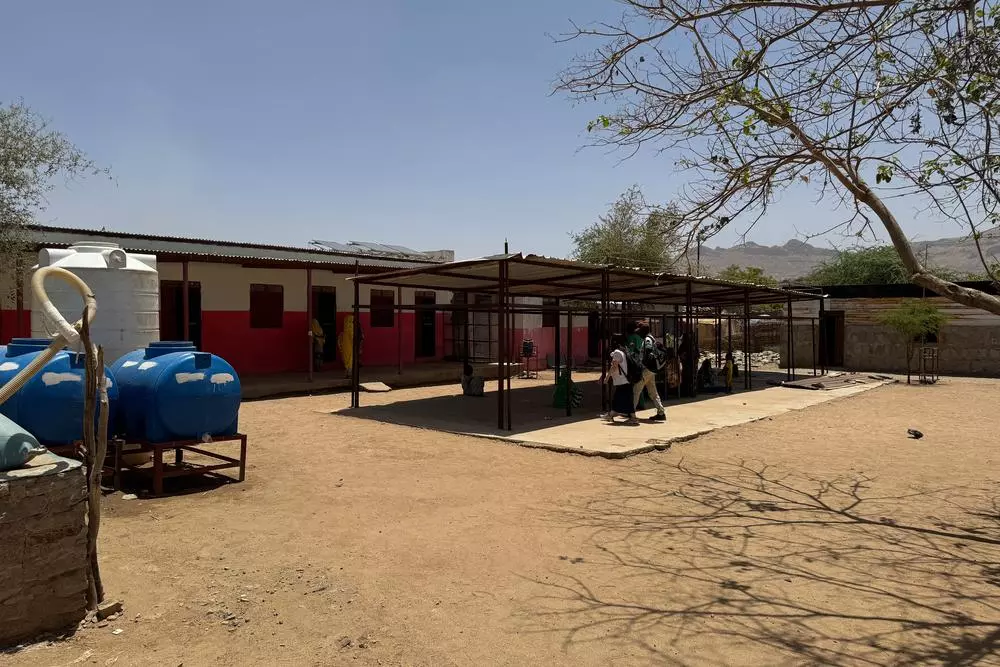
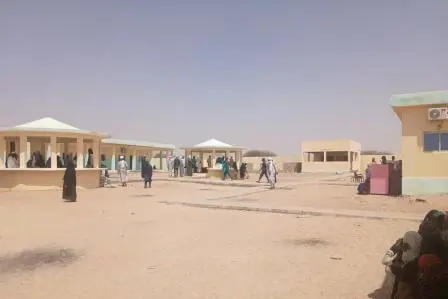
Doctors Without Borders primary health care centre in Sortoni, which provides medical consultations, vaccination, malnutrition screening and treatment and maternity care. It the only health facility available for the 55,000 inhabitants of the IDP camp, as well as for those living in the surrounding villages. Sudan, 2025 © Thibault Fendler/MSF.
During the measles vaccination campaign in Rokero on November 24 during which Doctors Without Borders teams vaccinated over 9,000 children, Marwan Taher, Doctors Without Borders’ Head of Mission in Central Darfur, witnessed how the need for humanitarian aid is visible everywhere. The healthcare system is on the brink, food insecurity is rampant, and waves of displaced people continue to arrive. Doctors Without Borders is one of only four international humanitarian organizations still operational in the area, struggling to fill gaps far beyond their capacity. In June 25, over 75000 children were vaccinated in Rokero after a measles outbreak in the area.
The humanitarian situation in Darfur is critical, with massive areas remaining hard to reach and growing needs. Doctors Without Borders’ continued presence in places like in South Jebel Marra, Rokero, and Sortoni is proof that humanitarian work remains possible, even under the harshest conditions. However, without urgent international support, the future of these communities remains bleak.
Will you support our emergency response work?
Help us provide lifesaving medical care during emergencies by making a donation today.