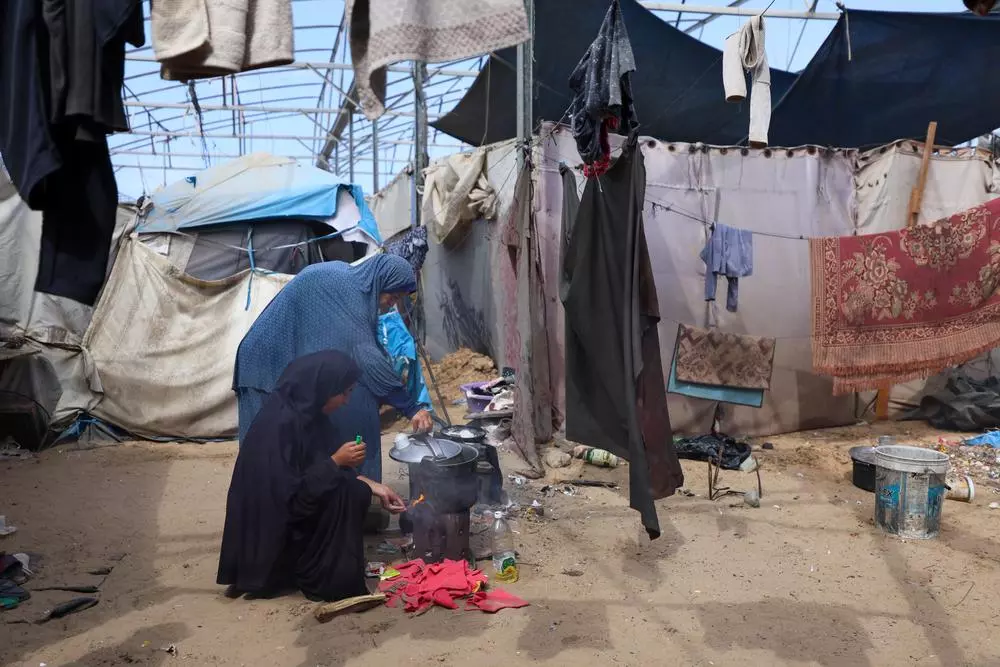
A displaced mother and her daughter prepare a meal over an open fire inside their tent in Mawasi, Khan Younis. With limited access to cooking gas or proper kitchen facilities, many families in the crowded coastal area are forced to rely on basic and hazardous methods to cook. Gaza, Palestine, 2025 © Motasem Abu Aser/MSF
Despite the ceasefire, people in Gaza continue to endure extreme suffering, as Israel’s two-year-long genocidal campaign has left them traumatised, injured, and dangerously exposed to the elements as winter approaches. Without immediate improvements to water, sanitation, shelter, and nutrition, more people will die from entirely preventable causes.
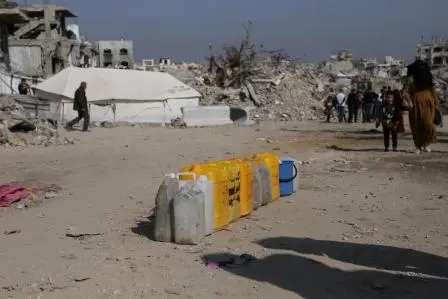
“In southern Gaza, families who have been forced to flee repeatedly are crammed into a sea of makeshift tents, packed into the few remaining schools, or sleeping in the open amid rubble, piles of garbage, animal waste, and overflowing sewage.” says Aitor Zabalgogeazkoa, Doctors Without Borders emergency coordinator in Gaza. “It's utterly unacceptable.”
As the temperature drops, people’s fragile living conditions will heighten their exposure to extreme weather. This, combined with people’s exhaustion, will further heighten health risks.
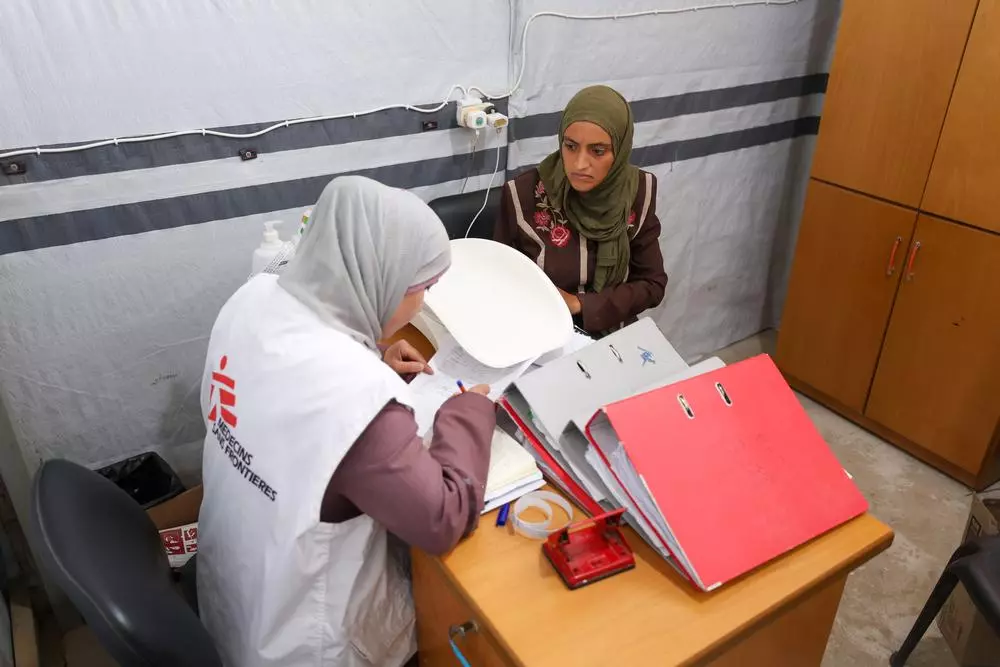
A Doctors Without Borders nurse checks Nour, who is seven months pregnant and suffering from malnutrition, during a consultation at the overcrowded Attar Primary Health Care Center (PHCC) in Khan Younis. The clinic struggles to meet the needs of a surge of patients, many of whom are pregnant women and children. Gaza, Palestine, 2025 © Motasem Abu Aser/MSF
Doctors Without Borders medical data from 2025 shows that diseases directly linked to poor living conditions, such as skin, eye, respiratory, and gastrointestinal infections, as well as generalised aches and pains, account for 70 per cent of all outpatient consultations in our healthcare centres in southern Gaza.
“Malnutrition, inadequate sanitation, and poor living conditions are taking a devastating toll on people’s health — they’re especially getting sick because of the conditions they’re forced to live in,” says Adi Nadimpalli, Doctors Without Borders medical coordinator.
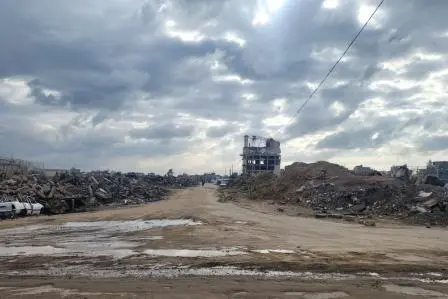
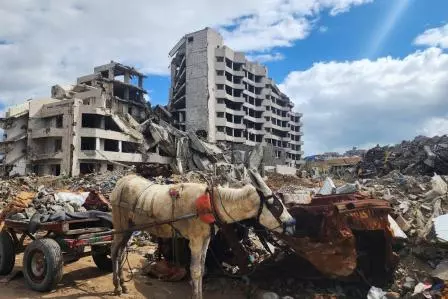
The collapse of the water and sanitation system — a direct result of targeted destruction and the systematic blockages on reconstruction materials imposed by Israeli authorities — has triggered a surge in waterborne diseases, particularly diarrhoeal illnesses, since the first week of April 2025. Over the past two years, Doctors Without Borders teams have treated more than 78,000 cases of diarrhoea, including over 24,000 cases since April of this year. Many families are unable to acquire or safely prepare food, and limited access to clean water is worsening the situation.
Malnutrition, inadequate sanitation, and poor living conditions are taking a devastating toll on people’s health — they’re especially getting sick because of the conditions they’re forced to live in.Adi Nadimpalli, MSF medical coordinator
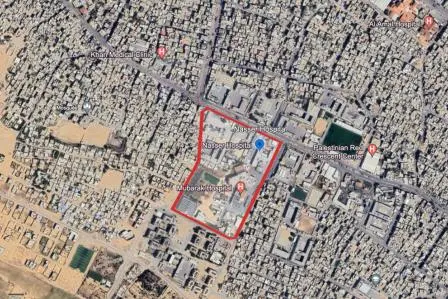
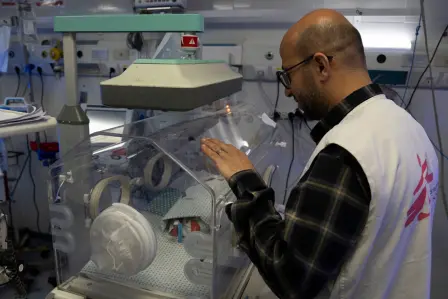
From October 2024 to September 2025, Doctors Without Borders teams at Nasser hospital, in Khan Younis, screened pregnant women for malnutrition, with 1,366 being diagnosed. In Gaza, many mothers are struggling to safely feed their babies — some are so malnourished that they are unable to produce enough breast milk, while ready-to-use infant formula is in short supply. Finding clean water and sterile materials to prepare milk is nearly impossible, and even boiling water has become a challenge, with most families lacking access to cooking gas and resorting to burning scarce and expensive wood.
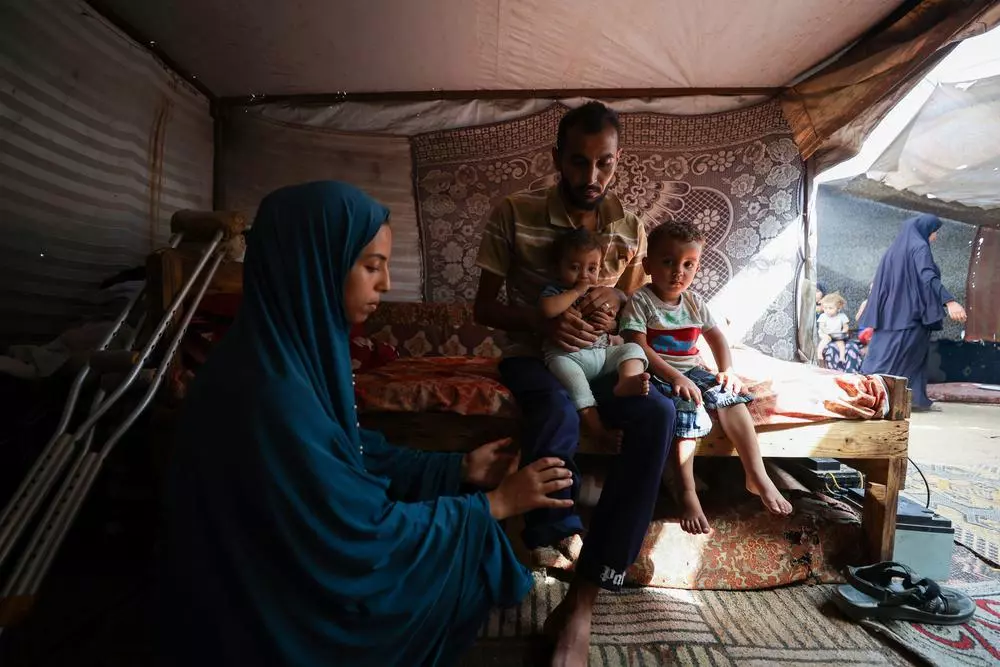
Bassel holds his children, nine-month-old Mohammed and 2.5-year-old Ibrahim, as his wife massages his amputated leg to relieve phantom limb pain. The family lives in a displacement tent in Mawasi, Khan Younis, after fleeing their home in Rafah. Bassel lost his leg after being shot months earlier while trying to access aid at a distribution point. Gaza, Palestine, 2025 © Motasem Abu Aser/MSF
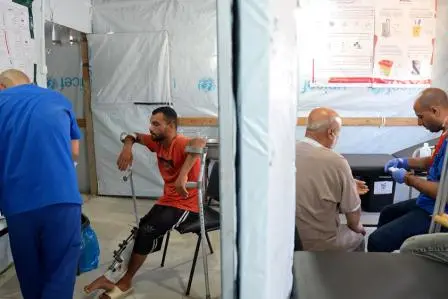
Recovery from trauma is also compromised by these harsh living conditions. The lack of mobility aids, such as crutches and wheelchairs, makes it extremely difficult for thousands of people with amputations or disabilities to move around tents, access latrines, or reach clinics.
“We see many people with large open wounds, burns, or external fixators who are living in tents without proper hygiene, waste management, or climate control,” says Nadimpalli. “Infections that would normally be preventable are now common, leading to worsening health conditions and repeated hospitalisations.”
Since May — with a sharper increase from mid-August — Doctors Without Borders teams have observed a significant rise in respiratory tract infections, which are typically more common during the winter months. According to the Ministry of Health, acute respiratory infections now account for 67 per cent of total morbidity.
Doctors Without Borders has also witnessed an increase in skin diseases, including scabies, lice, and other infectious and non-infectious conditions, since mid-August.
The Israeli authorities must immediately allow a massive scale up of unimpeded humanitarian assistance into Gaza, so that people’s suffering and vulnerability to the elements can be addressed.
Will you support our emergency response work?
Help us provide lifesaving medical care during emergencies by making a donation today.