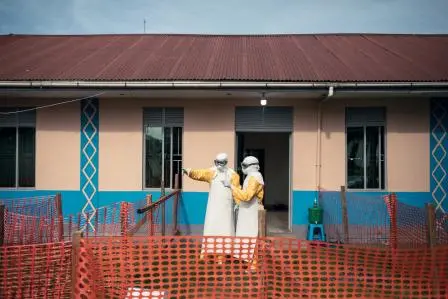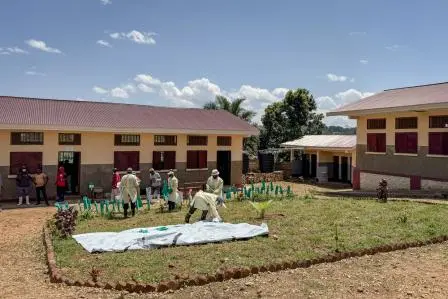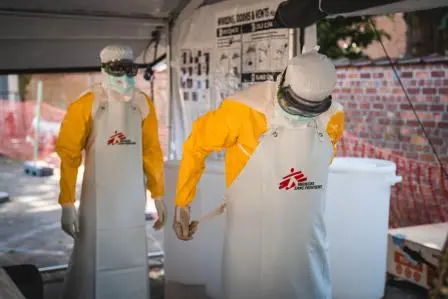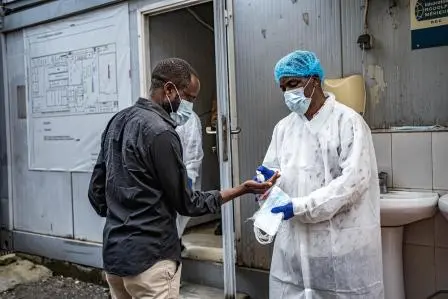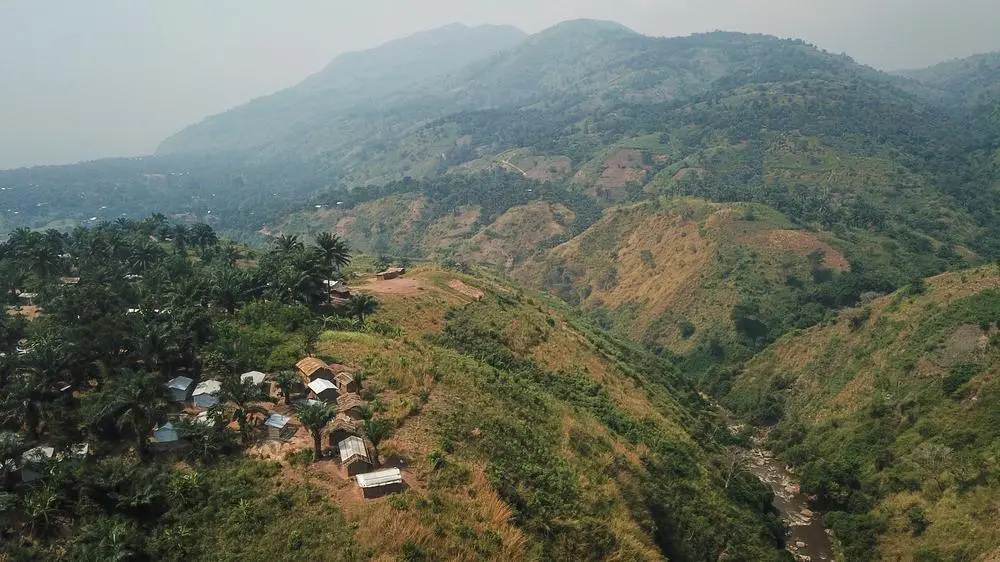
An aerial view in Ituri province. Democratic Republic of Congo, January 2025. © Fanny Hostettler/MSF
The number of cases and deaths we are seeing in such a short timeframe, combined with the spread across several health zones and now across the border, is extremely concerning.Trish Newport, Doctors Without Borders Emergency Programme Manager
On 15 May, health authorities in neighbouring Uganda also confirmed one case of Ebola Bundibugyo Virus Disease in a 59-year-old Congolese male, who died on 14 May. Doctors Without Borders has informed the Ugandan Ministry of Health that it is ready to support the public health authorities’ response.
“The number of cases and deaths we are seeing in such a short timeframe, combined with the spread across several health zones and now across the border, is extremely concerning,” says Trish Newport, Doctors Without Borders Emergency Programme Manager. “In Ituri, many people already struggle to access healthcare and live with ongoing insecurity, making rapid action critical to prevent the outbreak from escalating further.”
Doctors Without Borders' response
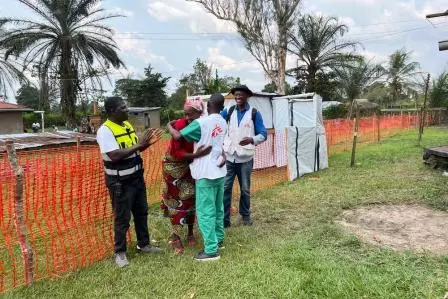
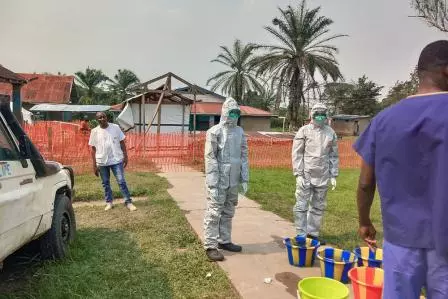
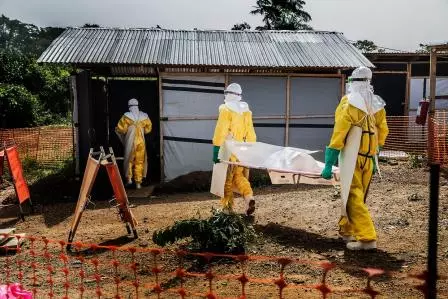
Doctors Without Borders currently has teams in the affected areas of Ituri to assess medical needs, and is coordinating closely with the Congolese health authorities. In Doctors Without Borders' Salama clinic in Bunia, we have three suspected cases, who have now been isolated.
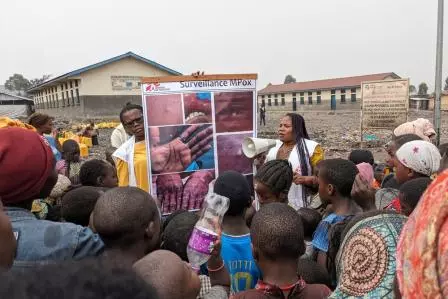
Right now, Doctors Without Borders is mobilising more teams comprising medical, logistical, and support staff experienced in responding to viral haemorrhagic fever outbreaks, as well as essential supplies, to launch a large-scale response as quickly as possible. Doctors Without Borders will also work to ensure strict prevention measures are in place in its existing projects in order to protect our staff, our patients and their access to healthcare.
The estimated case fatality rate of the Bundibugyo strain is between 25 and 40 per cent. This is the third detected outbreak involving the Bundibugyo strain, following outbreaks in Uganda in 2007-2008 and in DRC in 2012.
What is Ebola?
Ebola is an infectious viral haemorrhagic fever, transmitted to humans through direct contact with blood, secretions, organs, or other bodily fluids of infected animals. Human-to-human transmission occurs through close contact with the bodily fluids of infected individuals
Doctors Without Borders has responded to multiple Ebola outbreaks in DRC over the past years. This outbreak marks the country’s seventeenth since the first case was discovered in 1976.
Will you support our emergency response work?
Help us provide lifesaving medical care during emergencies by making a donation today.