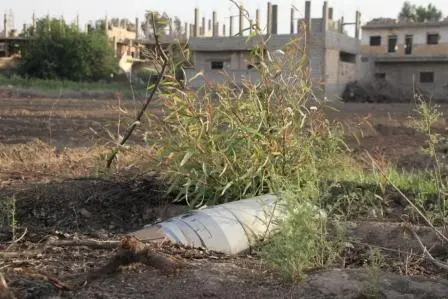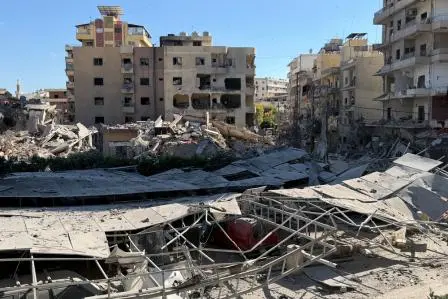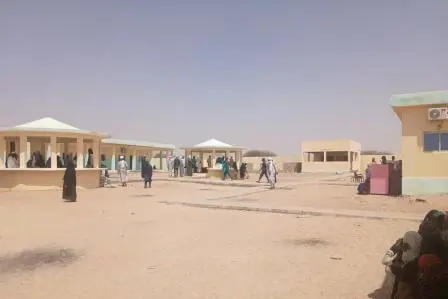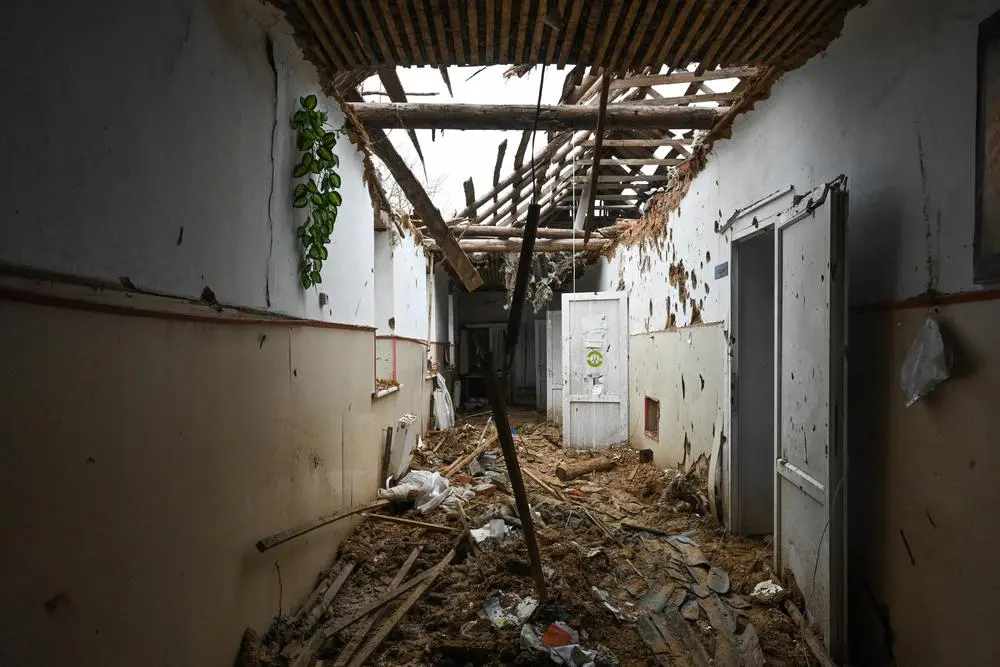
A view of the damaged medical and health aid centre in Davydiv Brid village, Kherson Oblast. January 2023, Ukraine © Colin Delfosse
Examples of attacks on healthcare over the last decade
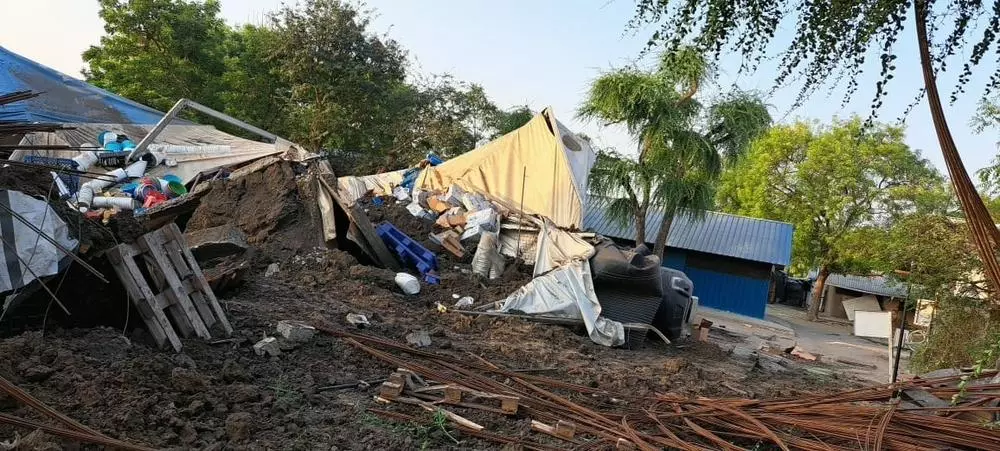
The Doctors Without Borders hospital in Lankien was hit in an airstrike by the government of South Sudan forces during the night of February 3. One Doctors Without Borders staff member sustained minor injuries. The hospital’s main warehouse was destroyed in the attack, resulting in the loss of most of Doctors Without Borders' critical supplies for providing medical care. South Sudan, 2026 © MSF
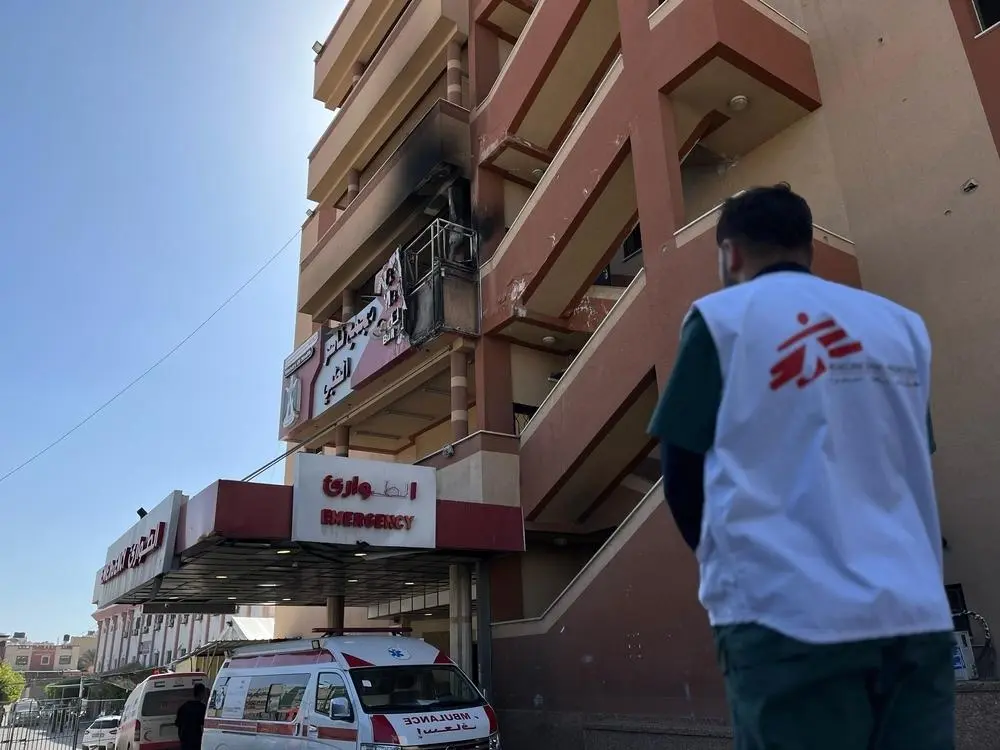
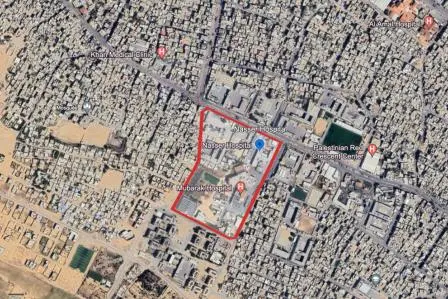
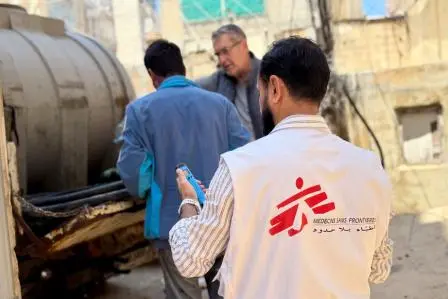
Doctors Without Borders staff in front of Nasser Hospital in Gaza after an Israeli strike on 23 March 2025. Israeli forces targeted the inpatient surgical department in Nasser Hospital, killing two people, according to the Ministry of Health. Palestine, 2025 © MSF
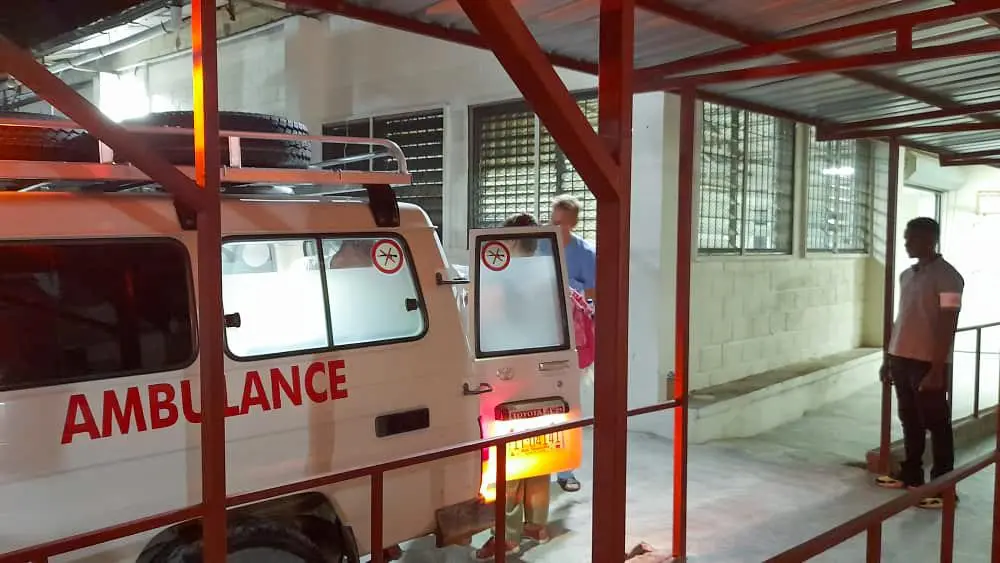
In 2024, a Doctors Without Borders ambulance was stopped by members of a self-defence group and police officers, leading to the execution of at least two patients. Doctors Without Borders staff in the ambulance were violently attacked, insulted, tear-gassed, threatened with death, and held against their will. Port-au-Prince, Haiti, September 2024 © Didier Rigole/MSF
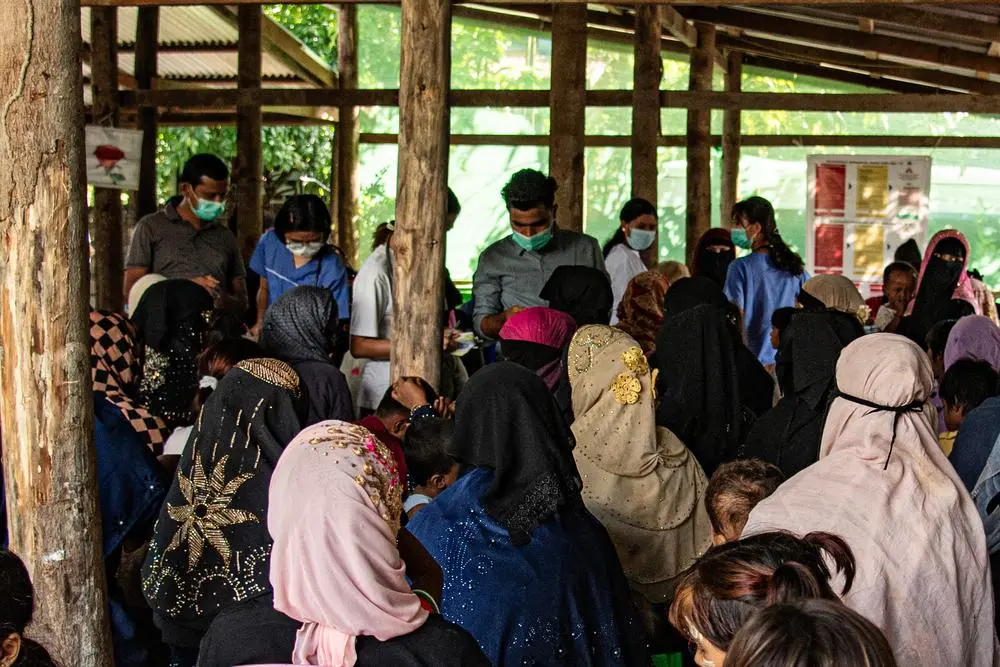
Doctors Without Borders ran 14 mobile clinics in northern Rakhine, providing essential medical services to all communities, including Rakhine, Rohingya and other minority groups. The Doctors Without Borders team in Shan received reports that Pang Hseng hospital, a facility that was supported in the past, was hit by a drone strike. The extreme escalation of conflict, indiscriminate violence, and severe restrictions on humanitarian access forced Doctors Without Borders to suspend operations. Myanmar, 2024 © Zoe Bennell/MSF
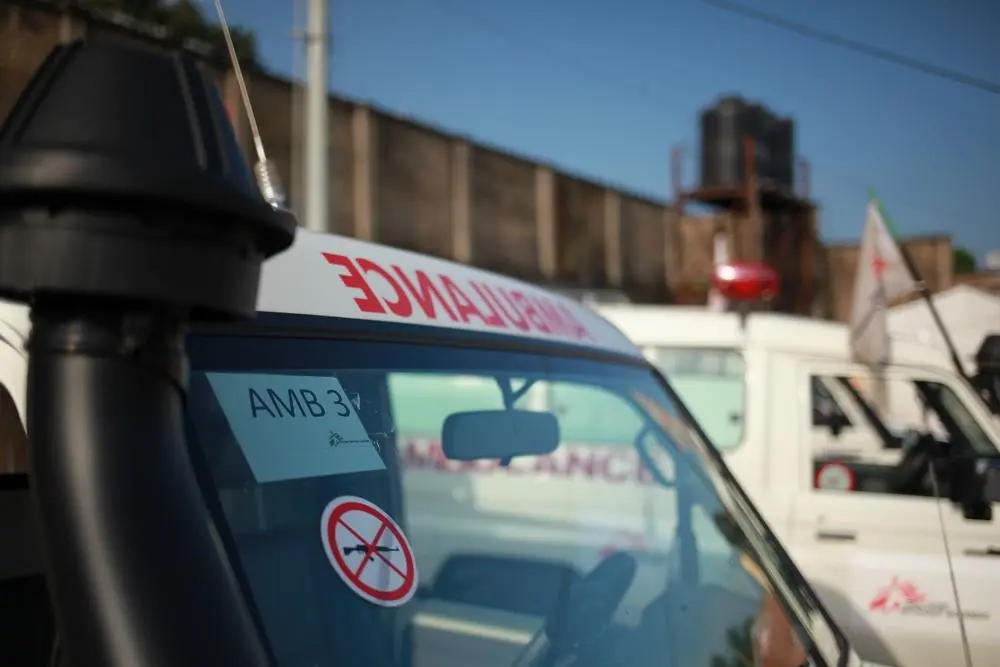
A Doctors Without Borders ambulance was fired upon by armed men, injuring a nurse. Cameroon, 2020 © Scott Hamilton/MSF
The immediate consequence of attacks is injuries and loss of life. Longer-term, the consequence is that communities are often deprived of life-saving care as health infrastructure is not rebuilt or humanitarian organisations suspend their activities because of security concerns.
In 2025, Doctors Without Borders teams in Sudan carried out nearly 850,000 outpatient consultations, admitted just under 95,600 people to hospital and assisted almost 29,000 births. In Gaza, over the same period, teams undertook 913,000 outpatient consultations, admitted just under 54,000 people and ran 89,800 mental health sessions. In Ukraine in 2025, Doctors Without Borders ambulances referred 10,700 patients, 60 per cent of whom had war-related injuries, and teams provided 45,300 outpatient consultations via mobile clinic, and undertook 9,750 physiotherapy sessions. When healthcare infrastructure is damaged or destroyed, and if people are too scared to leave their homes to seek medical care, it is the communities that suffer.
“Medical care in conflict is under extreme threat, as attacks against healthcare workers and functioning health infrastructure have been seen in almost every conflict over the past decade. Doctors Without Borders demands that States respect their obligations and commitment under Resolution 2286 for greater protection and accountability. The protection granted to us and to our patients under International Humanitarian Law must be led by action, not just words.”
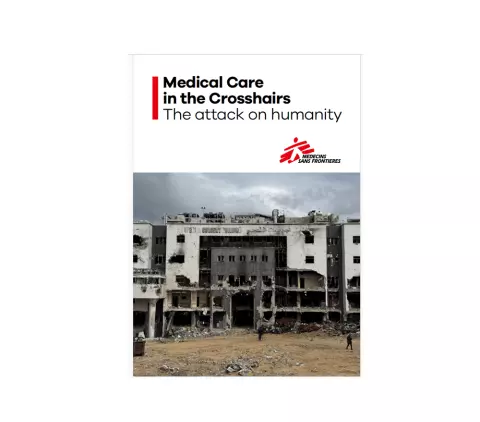
The Medical Care in the Crosshairs report provides an overview of attacks against medical and humanitarian missions, drawing on both international databases and analysis as well as Doctors Without Borders' own experience.
Will you support our work?
Help us provide lifesaving medical care by making a donation today.