Last updated on 25 June 2026
What is happening in Gaza?
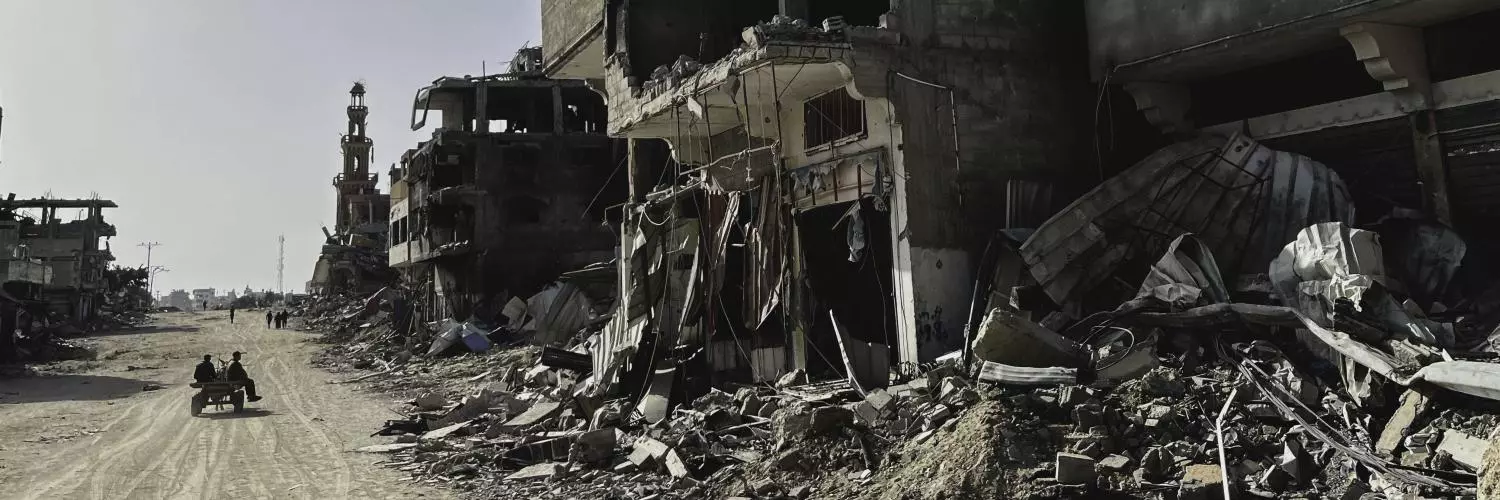
Since October 2023, Palestinians in Gaza have endured a devastating war, mass displacement, repeated attacked on healthcare, and severe restriction on access to food, water, fuel, medicines and humanitarian aid. Gaza’s health system has been shattered, while people continue to live in overcrowded, unsafe conditions with limited access to the basics
On 7 October 2023, Hamas launched a deadly attack in Israel, killing around 1,200 people and taking 251 hostages. In response, Israel launched a full-scale military offensive on Gaza. Since then, more than 70,000 people have been killed, over 20,000 of these are children, and over 170,000 injured, according to the Ministry of Health. Among the dead are Doctors Without Borders/Médecins Sans Frontières (MSF) colleagues, killed while working or sheltering with their families. Their deaths are a tragic reminder that healthcare workers, patients, hospitals, and humanitarian spaces are not being protected.
>> In Memoriam: Remembering our colleagues killed in Gaza
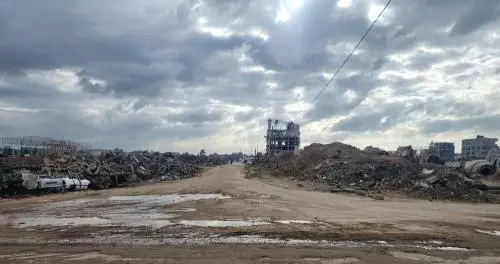
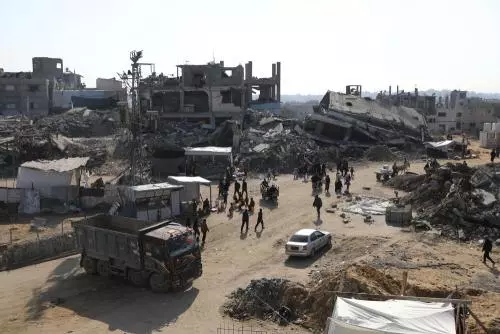
Israeli attacks have destroyed hospitals, homes, water systems, roads and other essential infrastructure. Access to food, clean water, medicine, and shelter remains severely restricted. Malnutrition, disease, untreated wounds, pregnancy complications, chronic illnesses, and psychological trauma are worsening in a population already exhausted by more than two years of war and displacement.
Despite the ceasefire agreement, Palestinians continue to be killed, displaced, and deprived of sufficient aid. Israel’s blockade continues to prevent the scale-up of humanitarian assistance needed to meet people’s basic needs.
The health needs are massive - physical, mental, and humanitarian. Doctors Without Borders continues to call for the protection of civilians, the protection of the healthcare, safe and unhindered humanitarian access, and a massive scale-up of aid into Gaza.
Will you support our emergency response work?
Help us provide lifesaving medical care during emergencies by making a donation today.
Doctors Without Borders will continue providing medical humanitarian care, and bearing witness to the suffering of Palestinians, for as long as possible. We are working to preserve access to healthcare in an increasingly constrained and dangerous environment.
>> Read more frequently asked questions about our work in Gaza
More than ever, Palestinians need more services not less. Aid must be scaled up, not blocked.
Doctors Without Borders response: Delivering lifesaving care in Gaza
Doctors Without Borders remains steadfast in its commitment to providing medical care in Gaza. Our dedicated teams are working tirelessly, even amidst extreme challenges.
Doctors Without Borders response in Gaza by the numbers in 2025:
- 1.5 million outpatient consultations
- 545,369 emergency presentations
- 92,876 people treated for diarrhoea
- 38,962 surgical procedures
- 78,776 inpatients admitted
- 82,446 ante-natal consultations
- 21,676 deliveries
- 89,845 individual mental health sessions
- 115,879 non-communicable disease consultations
- 2,106m3 drinking water produced per day
- 4,166m3 drinking water distributed per day
- What are Doctors Without Borders current medical actions in Gaza?
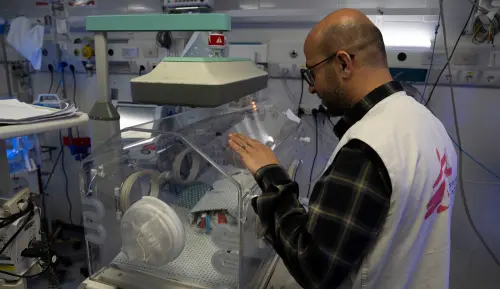
Our dedicated teams are working tirelessly, even amidst extreme challenges. Doctors Without Borders has over 1,600 staff working in Gaza's hospitals and other health facilities. They are providing essential medical services, including:
- Surgical support
- Wound care
- Physiotherapy
- Maternity and paediatric care
- Primary healthcare
- Vaccination
- Mental health services
- Inpatient care
- Water distribution
Our staff provide essential services in these health facilities across Gaza:
-
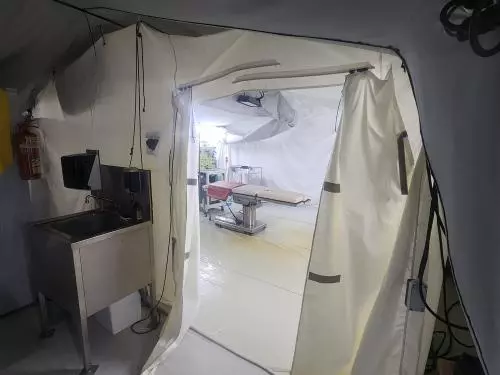
Two hospitals supported by Doctors Without Borders: Nasser and Al Helou.
-
Two field hospitals run by Doctors Without Borders in Deir Al-Balah.
-
Four primary healthcare centres (PHCC) run and supported by Doctors Without Borders.
-
Five clinics in addition to four medical points run and supported by Doctors Without Borders.
- How is Doctors Without Borders providing water and sanitation support?
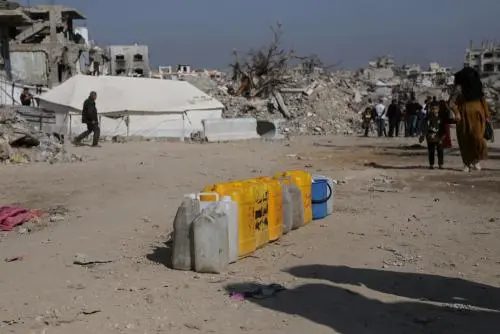
Access to safe water in Gaza is critically limited. Gaza’s natural water sources are heavily affected by salination and contamination from sewage and chemicals, making people reliant on pipelines from Israel and desalination plants inside Gaza.
Much of this infrastructure has been damaged or destroyed. Restrictions imposed by Israeli authorities also limit the entry of fuel and electricity, disrupting water production and making it harder for humanitarian organisation to deliver water by truck.
Doctors Without Borders is supporting desalination plants, trucking water, and setting up water points so people can access safe drinking water. In 2025 alone, Doctors Without Borders has distributed more than 700 million litres of water.
The lack of water, hygiene, and sanitation increases the risk of devastating disease outbreak among people already weakened by hunger, displacement, injuries and lack of healthcare.
- What are the medical needs Doctors Without Borders is seeing in Gaza?
Medical needs in Gaza are extremely high, affecting not only people injured in attacks but also children with malnutrition, pregnant women, older people, and those with chronic illnesses. Providing care is increasingly difficult because of the destruction of Gaza’s health system, repeated attacks on health facilities and staff, and severe shortages of medicines, medical equipment, fuel and other supplies. Our teams are responding to priority medical needs, including:
- Malnutrition
- War wounds and burn care
- Infections and diseases
- Paediatric care
- Maternal care
- Medicines and medical supplies
- What is happening in the West Bank?
Since October 2023, violence in the occupied West Bank has escalated. In 2025, the situation deteriorated further during Israel’s ‘Iron Wall’ campaign, which displaced more than 40,000 Palestinians in northern West Bank. As Israel continues to entrench its occupation and annexation of the West Bank, Palestinians face increasing violence by Israeli forces and settlers, movement restrictions, obstructions to health care, home demolitions and forced displacement.
- How is Doctors Without Borders responding in the West Bank?
In the West Bank, we are maintaining activities focused on emergency care, and mental health care in Hebron and Nablus.
-
In Nablus and Hebron, Doctors Without Borders provides psychosocial support, care for survivors of sexual and gender-based violence, and training in psychological first aid, emergency response, and first aid.
-
In Hebron, Doctors Without Borders teams runs mobile clinics offering general healthcare, sexual and reproductive health services, and mental health support.
-
Latest update


Scroll through the conflict timeline
Support our emergency response work
Our medical teams are on the ground treating patients. You can help them provide lifesaving medical care by making a donation today.