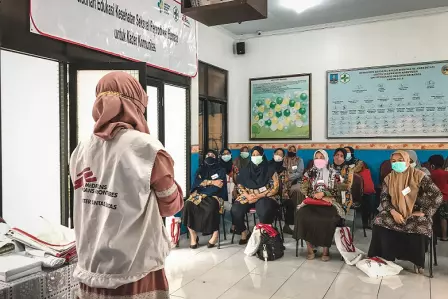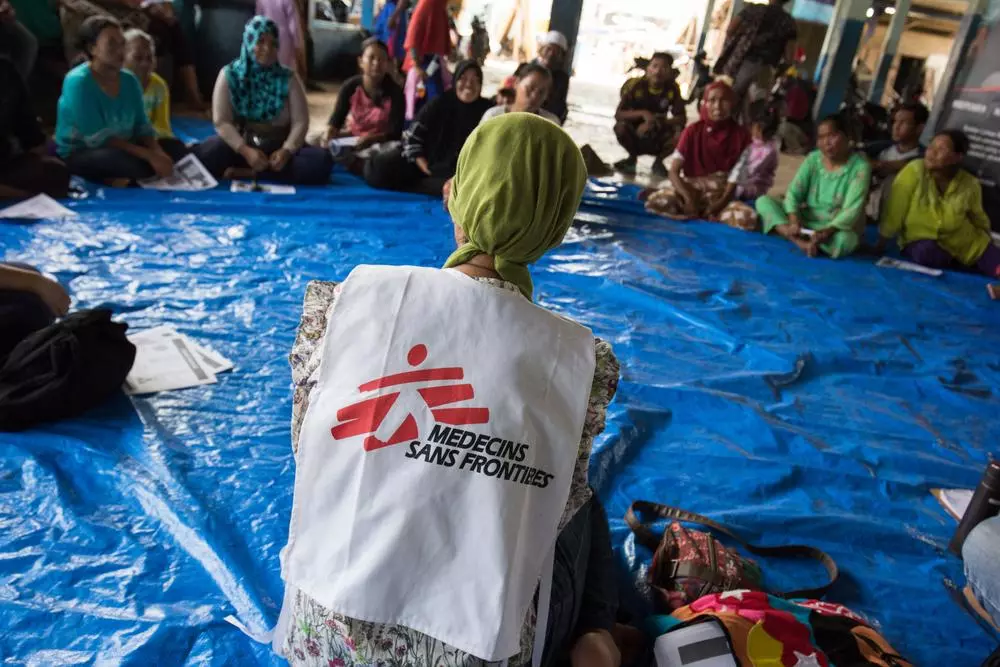
A Doctors Without Borders psychologist is conducting a session with displaced peoples affected by the Sunda Strait tsunami at Labuan Sub-district, Banten province. Indonesia, 2019. © Didi Mugitriman/MSF
This journey has been a testament to resilience, humanity, and effective collaboration... However, we remain present in the region and committed to supporting Indonesia again if neededIvan Sinaga, Country Coordinator
Since 2015, Doctors Without Borders has established a more permanent presence, initiating new projects and providing ongoing support to the Ministry of Health. Throughout this decade, Doctors Without Borders responded to major emergencies, including the 2016 Pidie Jaya earthquake, the 2018 Central Sulawesi earthquake and tsunami, the Sunda Strait tsunami, and floods in Aceh and North Sumatra. During the COVID-19 pandemic, Doctors Without Borders supported the Ministry of Health’s crisis centers (Pusat Krisis Kesehatan/Puskris) in their efforts to mitigate the virus’s impact. Additionally, Doctors Without Borders ran an adolescent health programme in Banten Province, providing health services focused on mental, sexual and reproductive health in health centers, communities, and schools.
Over that decade, more than 50,000 people received free essential medical services from Doctors Without Borders, with thousands more benefiting from mental health support. Doctors Without Borders' water, sanitation, and hygiene services helped prevent outbreaks in displacement camps during emergency responses.
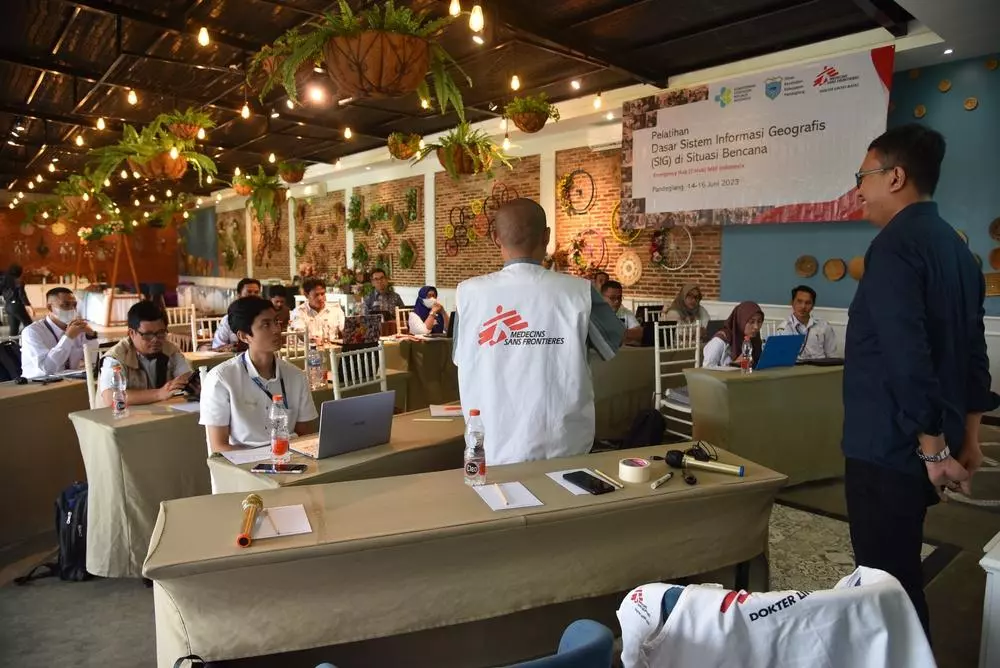
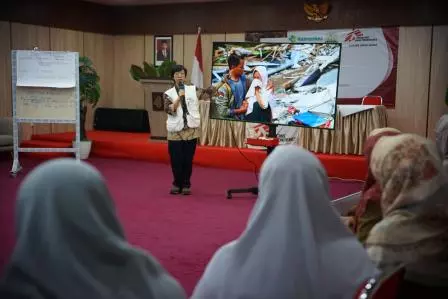
A Doctors Without Borders trainer explains Basic Geographical Information Systems (GIS) during an E-Hub Project session, conducted in collaboration with the Pandeglang District Health Office in Banten province. Indonesia, 2023. © Andrea Ciocca/MSF
“This journey has been a testament to resilience, humanity, and effective collaboration,” said Ivan Sinaga, Doctors Without Borders Indonesia Country Coordinator. “We are ending our presence with pride in what was achieved and with gratitude for our strong partnerships with the Indonesian authorities and communities. Together, we evolved from emergency responders to strategic partners in strengthening healthcare self-reliance.”
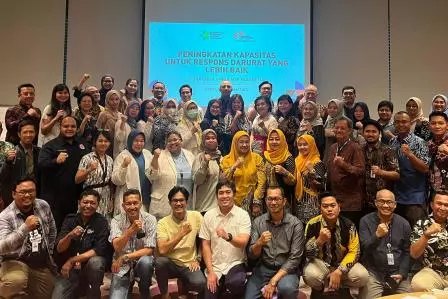
Since 2022, Doctors Without Borders has focused on reinforcing local capacity through the Emergency Hub (E-Hub) project, training over 1,500 health workers and emergency responders. These efforts have been fully handed over to the Ministry of Health’s Center for Health Crisis, ensuring continued support for Indonesia’s preparedness in future crises.
“The partnerships and knowledge shared over the past decade will continue to make a difference,” Sinaga added. “Trained health professionals will carry this vital work forward. We extend our deepest gratitude to our staff, the Ministry of Health, and the people of Indonesia.”
The closure reflects the need for Doctors Without Borders to prioritise resources in response to escalating humanitarian needs, driven by armed conflict and climate change, while global aid funding faces increasing pressure.
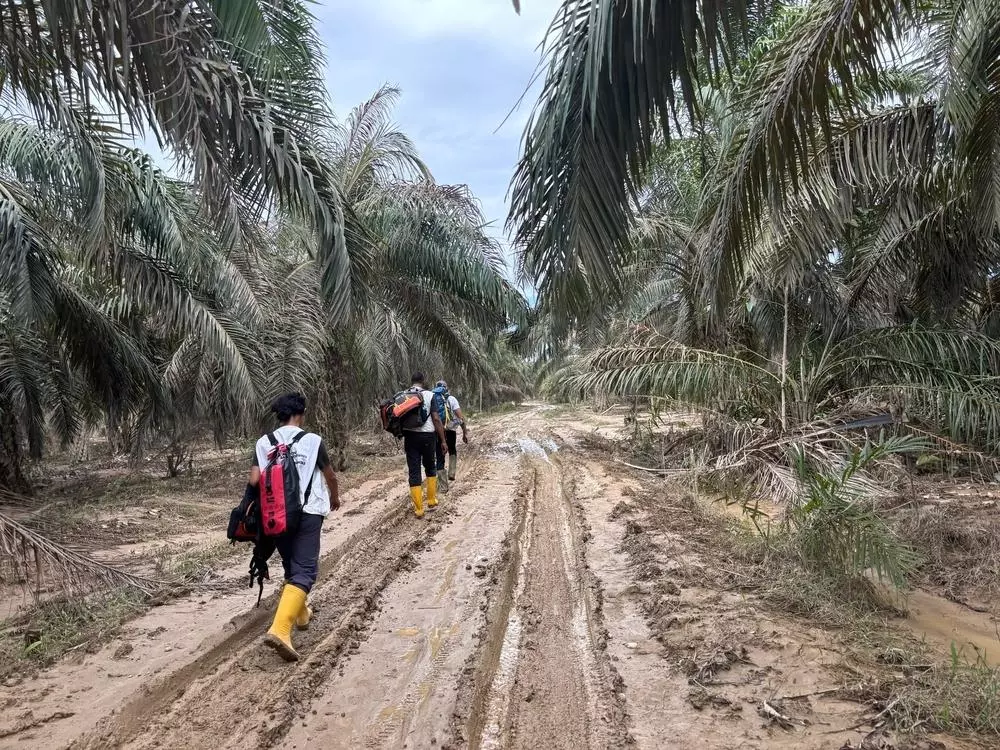
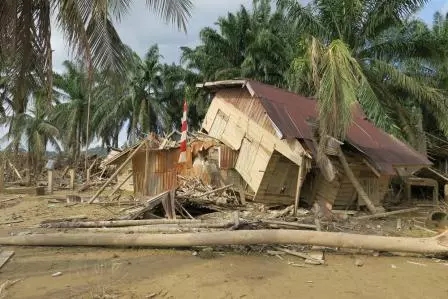
The team travelled on foot to hard-to-reach areas during an assessment in Aceh Tamiang following devastating flooding in Aceh. Indonesia, 2026. © Ivan Sinaga/MSF
“We must focus on the most life-threatening crises,” said Sinaga. “By doing so, Doctors Without Borders aims to address critical gaps in a constrained global humanitarian landscape. However, we remain present in the region and committed to supporting Indonesia again if needed.”
Although Doctors Without Borders is ending its programme in Indonesia, it will continue supporting the local partner, Yayasan Mahajana Sosial Fondasi Indonesia (Y-MSFI), which works to ensure access to healthcare and provides emergency medical interventions.