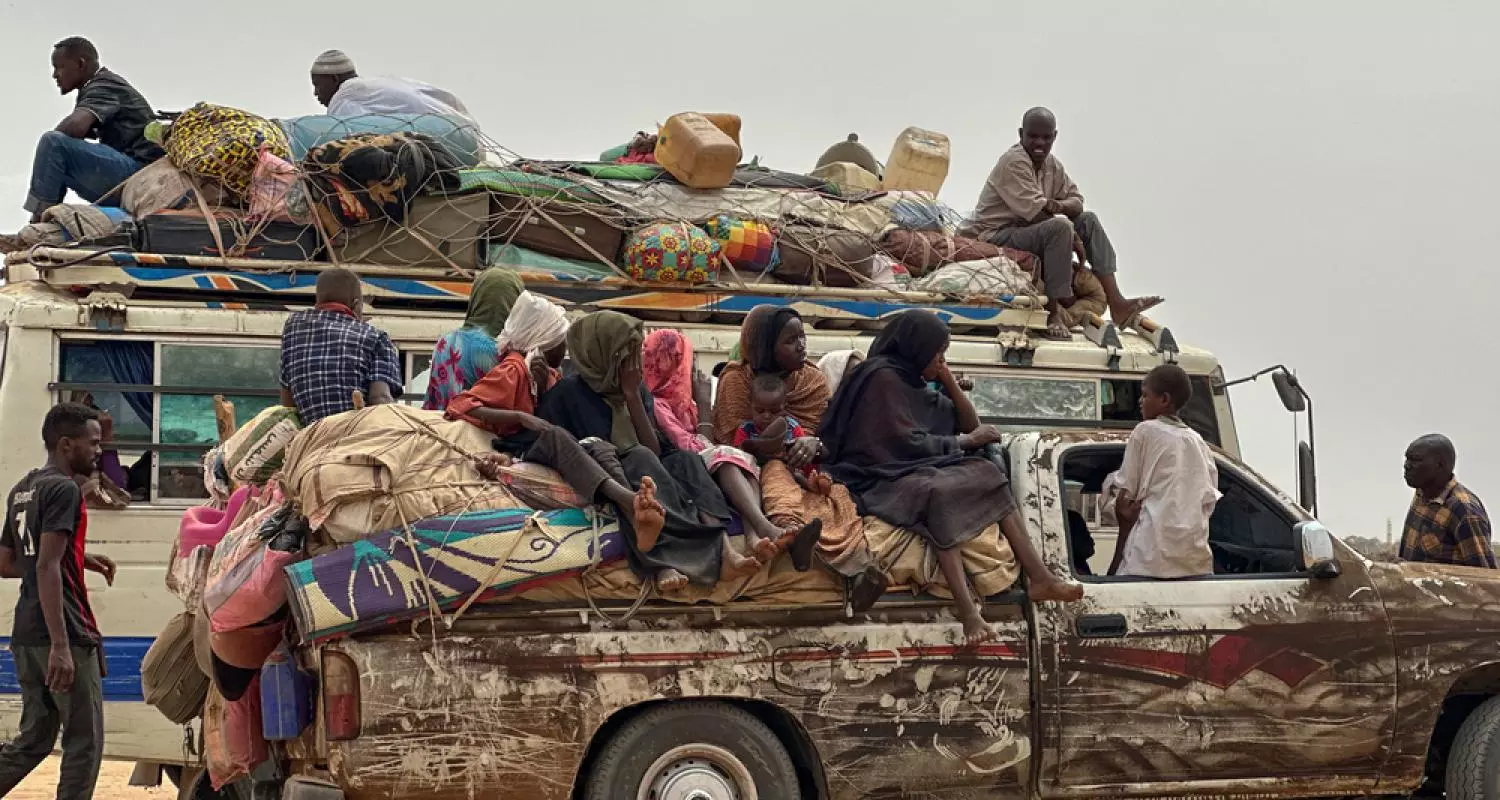
Three years of war have shattered Sudan’s lifelines
Three years of war have turned Sudan into one of the world’s most severe humanitarian crises, marked by violations of International Humanitarian Law, impunity, and nowhere safe for civilians.
Doctors Without Borders/Médecins Sans Frontières (MSF) condemns the unleashed violence, widespread impunity and constrained humanitarian access amid the collapse of the health system. The confrontation between the Sudanese Armed Forces (SAF) and the Rapid Support Forces (RSF), along with the allied groups of both parties, has evolved into a systemic dismantling of the essential services people rely on— including healthcare, protection, food security, and basic safety.
Latest update
In 2025, Doctors Without Borders teams alone treated more than 7,700 patients due to physical violence, including gunshots, provided more than 250,000 emergency consultations and carried out over 4,200 consultations for sexual violence, very often used as a weapon of war, with women bearing the heaviest burden.
Over the same period, more than 15,000 children under five were admitted to our inpatient feeding programs due to suffering acute malnutrition, which is on the rise, compounding the risk of death from otherwise treatable illnesses.
"Wherever you look in Sudan, you will find needs — overwhelming, urgent, and unmet. Millions are receiving almost no humanitarian assistance, medical facilities and staff remain under attack, and the global humanitarian system is failing to deliver even a fraction of what’s required."
Will you support our emergency response work in Sudan?
Help us provide lifesaving medical care during emergencies by making a donation today.
Related articles
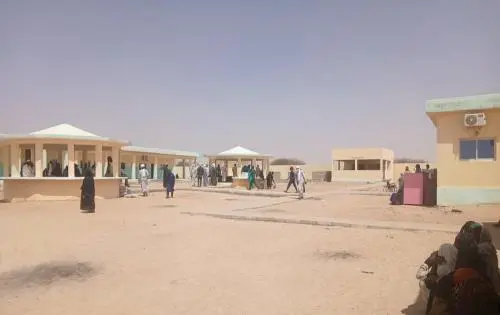
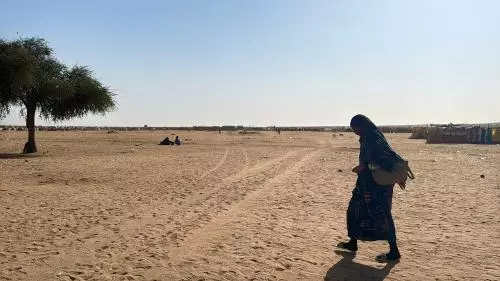
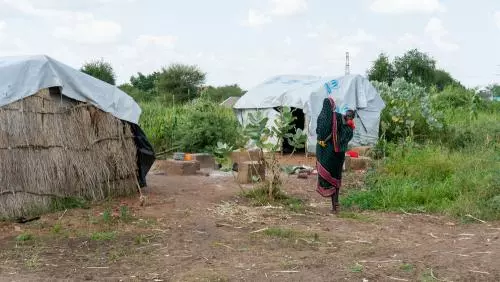

What is the impact of this war in Sudan?
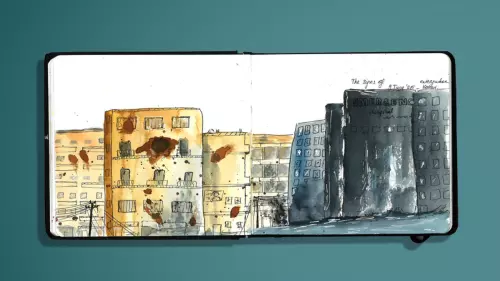
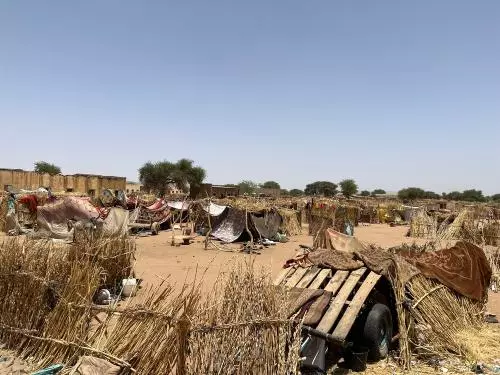
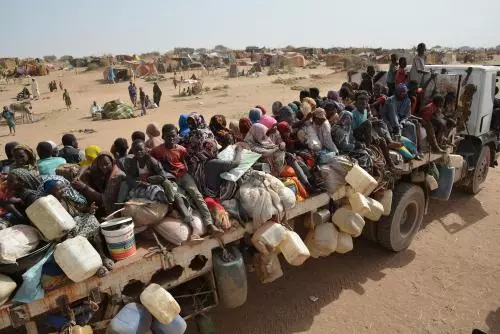
Before the violence increased in April 2023, Sudan’s health system was incredibly unstable, with persistently low health indices and huge disparities. The current Sudan war has shattered what little infrastructure remained, leading to catastrophic consequences for millions.
- Violence against civilians: Doctors Without Borders has observed a disturbing shift in the conduct of the war, including an extensive use of drones by both RSF and SAF. These strikes are increasingly occurring far beyond frontlines, targeting logistical infrastructure and populated civilian areas. The report “Besieged, Attacked, Starved” highlights how civilians have been caught in the crossfire in El Fasher, North Darfur. As recently as May 2026, drone strikes around Tina, Sudan, near the Chadian border, have intensified. 116 people wounded in these strikes were treated at Tiné Hospital, supported by Doctors Without Borders.
- Healthcare system collapse: Throughout the conflict, vaccination programs have been disrupted, and disease-surveillance systems have collapsed, accelerating the spread of diseases and delaying the detection of epidemics. Funding cuts are making an already dire situation even worse, with people once again paying the price.
- Sexual violence as a weapon: Doctors Without Borders’ report, “There is something I want to tell you…”: Surviving the Sexual Violence Crisis in Darfur, provides the most comprehensive documented accounts of sexual violence in Sudan’s war. Between January 2024 and November 2025, at least 3,396 survivors of sexual violence sought treatment in Doctors Without Borders-supported facilities across North and South Darfur. Women and girls accounted for 97% of survivors treated in Doctors Without Borders programmes.
- Disease outbreaks: Poor living conditions, lack of access to clean water, lack of vaccinations, and lack of access to healthcare combine to create conditions for widespread outbreaks. Doctors Without Borders has witnessed recurrent outbreaks of deadly, yet preventable, diseases across Sudan. In 2025, we treated more than 12,000 patients for measles and nearly 42,200 for cholera. These surges are claiming the lives of the most vulnerable, especially children and pregnant women.
- Maternal health crisis: Pregnant women are particularly affected by the lack of access to healthcare. From 2023 to 2025, Doctors Without Borders has assisted more than 35,300 deliveries and performed 6,400 caesarean sections.
- Food crisis: In 2025, more than 15,000 children under five were admitted to our inpatient feeding programs due to suffering acute malnutrition, compounding the risk of death from otherwise treatable illnesses.
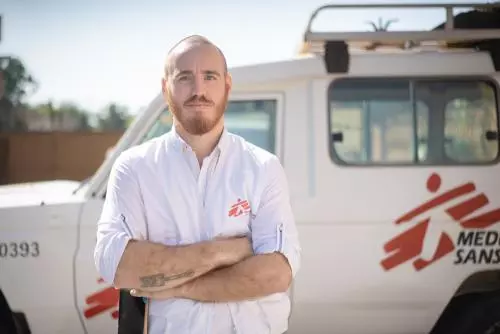
The violence continues ruining lives, making it harder for people to access healthcare and putting healthcare workers at risk. We urge the warring parties to protect civilian life and spare them from this war on people.Ozan Agbas, Emergency Manager
What is Doctors Without Borders doing in Sudan?
Doctors Without Borders currently works in and supports more than 30 health facilities in 10 states out of 18 states in Sudan. Our teams provide essential medical care across Sudan, focusing on:
- Emergency and surgical care: Treating conflict-related and non-war injuries, including trauma care and caesarean sections.
- Maternal and paediatric healthcare: Ensuring critical care for mothers and children.
- Malnutrition treatment: Screening and providing in-hospital and at-home care for acutely malnourished children and pregnant women.
- Outpatient and mobile clinics: Delivering healthcare services, including for displaced communities and refugees.
- Vaccination campaigns: Conducting routine and catch-up immunisations.
- Disease outbreak response: Addressing cholera, measles, and other health crises.
- Water and sanitation (WATSAN) initiatives: Improving hygiene through latrine setup, water point restoration, and sanitation services.
- Medical supply donations: Supporting healthcare facilities with essential medicines and equipment.
- Capacity building: Providing training, incentives, and logistical support to Ministry of Health staff.
- Attacks against healthcare
- Hospitals have been looted, bombed, and occupied. Medical staff have been threatened, detained, or forced to flee. Ambulances have been blocked from reaching the wounded.
- Since April 2023, more than 2,000 people have been killed, and 720 injured in 213 attacks on health facilities across the country. In 2025, Sudan accounted for 82% of all global deaths from attacks on healthcare, according to the WHO.
- Hospitals have been looted, bombed, and occupied. Medical staff have been threatened, detained, or forced to flee. Ambulances have been blocked from reaching the wounded.
- Attacks on Doctors Without Borders staff and medical personnel
- Warring parties have committed violence directly against Doctors Without Borders staff and the Doctors Without Borders-supported hospitals staff in Khartoum and Darfur. Team members and supported medical personnel experienced intentional, direct physical assault, harassment, and threats, as well as detention and were subjected to other forms of abuse.
- In 2025, Doctors Without Borders documented 100 violent incidents targeting its staff, supported facilities, and medical supplies.
- On 20 March 2026, an attack reportedly carried out by the Sudanese Armed Forces on El Daein hospital, East Darfur, resulted in the deaths of 70 people, including 15 children.
- On 2 April 2026, an attack on Al Jabalain hospital, reportedly carried out by the RSF, resulted in 10 fatalities, including seven medical staff.
- Warring parties have committed violence directly against Doctors Without Borders staff and the Doctors Without Borders-supported hospitals staff in Khartoum and Darfur. Team members and supported medical personnel experienced intentional, direct physical assault, harassment, and threats, as well as detention and were subjected to other forms of abuse.
Healthcare workers and medical facilities must be protected
Since the start of the Sudan conflict, healthcare workers and medical facilities have been attacked and looted, leaving large portions of the health system damaged and/or non-functional.
Key Doctors Without Borders facilities in Khartoum and South and West Darfur were broken into at the beginning of the Sudan conflict, and vital medical supplies and logistical equipment were stolen, critically jeopardising Doctors Without Borders operations.
Emergency
Help us provide lifesaving medical care for victims of the Sudan crisis and our patients in over 70 countries around the world. Support us now by making a donation today.